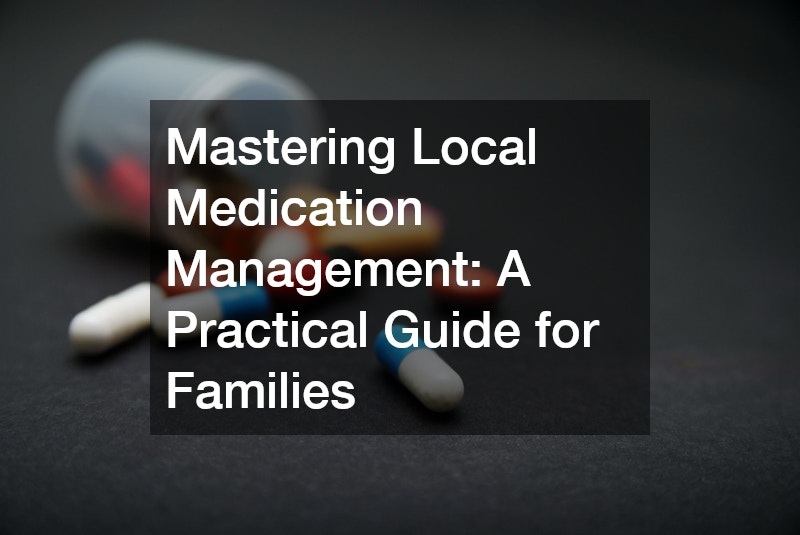
In today’s fast-paced world, the importance of effective local medication management cannot be overstated. Families must navigate a complex healthcare landscape, often full of various prescriptions, over-the-counter medications, and dietary supplements. Properly managing these medications is essential not only for individual health but for the well-being of the entire family.
In this guide, we will explore practical strategies to help families master medication management, reducing stress and preventing potential health hazards. By exploring key practices, common challenges, and technological aids, families can take control of their medication routines with confidence and ease.
Understanding the Basics of Local Medication Management
One of the first steps in mastering local medication management is understanding the fundamentals of organizing and tracking medications. Each household typically has a variety of medications for different age groups and health conditions, making it crucial to maintain an organized system. Creating a comprehensive list of all medications, including the name, dosage, administration times, and purpose, can streamline the management process. This list acts as a quick reference guide in emergency situations and ensures that caregivers and family members are always on the same page. Furthermore, it empowers families to communicate effectively with healthcare providers, providing accurate information during medical consultations.
Labeling is another cornerstone of effective medication management at home. Properly labeled medications help avoid confusion and ensure that doses are administered correctly. This is particularly important in homes with multiple individuals requiring medication, as errors can happen easily. Bold labels that include the patient’s name, medication expiration date, and detailed instructions can make a significant difference. Families should regularly review and update labels, especially when medications change or are newly prescribed.
Technology can also play a vital role in local medication management. Digital tools such as mobile apps and online platforms offer reminders and alerts for taking medications, monitoring adherence, and managing refills. These technologies can be particularly beneficial for families with a busy schedule, as they help prevent missed doses and reduce the risk of running out of important medications. Moreover, these apps often provide features for tracking drug interactions, which can be a valuable resource for ensuring safety. Embracing such technologies can significantly enhance a family’s ability to manage medications successfully.
Overcoming Common Challenges in Medication Management
Despite best efforts, families often encounter several challenges in managing medications. Compliance is one of the significant issues, whereby family members either forget to take their medication or deliberately skip doses. This can be particularly common among younger family members who may not comprehend the importance of adherence. Engaging the entire family in open discussions about the significance of taking medications as prescribed can be an effective strategy. By fostering an environment of mutual support and understanding, families can motivate every individual to adhere to their medication schedule.
Another common challenge is managing side effects, which can lead to the discontinuation of medication usage. Families may grapple with understanding which side effects are expected and which warrant medical attention. Developing a line of communication with healthcare providers and promptly reporting any adverse effects experienced can mitigate these challenges. It’s crucial for families to have a clear understanding of what to expect from medications, as this knowledge can guide them in making informed decisions about continuing or adjusting dosages.
Handling a diverse array of medications can pose logistical challenges, particularly when managing refills and maintaining supply. Families can address this by setting up a consistent schedule for reviewing and ordering medications before supplies run low. Pharmacies often provide automatic refill services that can eliminate the worry of missing a dose due to an empty prescription bottle. Establishing a calendar alert or reminder system for medication refills can be another effective strategy. These proactive approaches ensure that medication supply chains are uninterrupted, thereby supporting the family’s health needs consistently.
Considering the Role of Nutrition and Lifestyle
Nutrition plays a pivotal role in the efficacy of certain medications and should be considered a component of local medication management. Some medications may require intake with food, while others might have dietary restrictions. Understanding these interactions allows families to plan meals accordingly, thus optimizing medication effectiveness. Furthermore, maintaining a balanced diet can augment the benefits of medications and enhance overall health. Educating the family about the importance of coupling nutrition with medication regimens promotes a holistic approach to health.
Lifestyle factors, such as physical activity levels and sleep patterns, can also affect medication outcomes. Stress and irregular sleep schedules can impact how medications are metabolized in the body, potentially altering their efficacy. Families should strive to create a lifestyle that complements their medication management efforts, potentially leading to improved health outcomes. By integrating routine exercise and ensuring adequate sleep, individuals are more likely to experience the full benefits of their prescribed treatments. Encouraging family-wide participation in healthy lifestyle changes can have a positive cumulative effect on health and medication efficacy.
Mastering local medication management is a key factor in maintaining the health and well-being of families. By organizing medications efficiently, addressing potential challenges, and incorporating supportive lifestyle choices, families can optimize their medication regimens. Through the use of technology and open communication, managing medications can become a seamless part of daily life, contributing to improved health outcomes. As families continue to engage in collaborative practices, they enhance their ability to handle complex medication needs while fostering a healthy, supportive environment. With dedication and the right strategies, mastering local medication management is an achievable goal for every family, empowering them to take charge of their health journeys confidently.