
You are counting carbs, skipping bread, and eating clean, yet the scale refuses to budge. If this sounds familiar, the problem may not be your discipline or your meal plan at all. Insulin resistance can quietly undermine even the most carefully followed diet, keeping your body locked in fat storage mode. Understanding how this hidden metabolic issue works is the first step toward finally seeing real progress.
Understanding Why Insulin Resistance Blocks Fat Loss
Insulin resistance happens when your cells stop responding properly to insulin, forcing your pancreas to produce more of it just to keep blood sugar stable. This overproduction, known as hyperinsulinemia, can leave insulin levels elevated around the clock, not just after meals. High circulating insulin signals your body to store fat rather than burn it, which explains why weight loss stalls even when calorie intake is low. This is not a willpower problem, it is a hormonal one. When insulin stays high, it suppresses lipolysis, the process your body uses to break down stored fat for energy, essentially locking fat cells shut regardless of how disciplined you are with food choices. Some research suggests insulin resistant individuals may need to restrict carbohydrates far more aggressively than typical low carb guidelines suggest before their bodies start tapping into fat stores. Many people eating technically correct low carb meals still struggle because their insulin levels remain elevated from years of metabolic strain caused by chronic overeating, sedentary habits, poor sleep, or ongoing stress. Cortisol, in particular, can keep blood sugar elevated even when carbohydrate intake is minimal, prompting more insulin release. Add in factors like polycystic ovary syndrome, aging, or genetic predisposition, and it becomes clear why two people eating identical meals can see completely different results on the scale.
The frustrating part is that insulin resistance often develops silently over years before anyone notices weight gain or fatigue. Your cells can be demanding more and more insulin to manage blood sugar long before a fasting glucose test or annual physical flags anything abnormal. Some research suggests this process can take five to ten years, with insulin levels creeping upward while blood sugar itself stays in the “normal” range. By the time someone starts a diet to address the extra pounds, the underlying resistance may already be significant. At this stage, even a well-formulated low carb plan is working against a body that stores fat more readily and releases it more reluctantly. Elevated insulin acts like a lock on fat cells, and until that lock loosens, calorie counting or portion control alone rarely produces the expected results. This is why generic diet advice does not work the same way for everyone. Two people eating identical meals can see very different outcomes depending on how insulin-sensitive their cells are, how much visceral fat they carry, and how long their metabolism has been under this kind of stress. Factors like chronic stress, poor sleep, sedentary habits, and certain medications can all deepen resistance further, making a one-size-fits-all approach unreliable at best.
Spotting the Early Warning Signs in Your Body

Insulin resistance rarely announces itself with a single obvious symptom, which is why so many people miss it for years. Instead, it shows up as a cluster of subtle changes that are easy to blame on stress, aging, or lack of sleep. Recognizing the pattern early can help you seek proper medical care before the condition progresses further.
- Persistent fatigue after meals, even low carb ones
- Stubborn belly fat that resists diet and exercise
- Intense sugar or carb cravings a few hours after eating
- Skin changes such as dark patches on the neck or armpits
- Difficulty concentrating or frequent brain fog
Why Low Carb Alone Does Not Fix the Underlying Problem
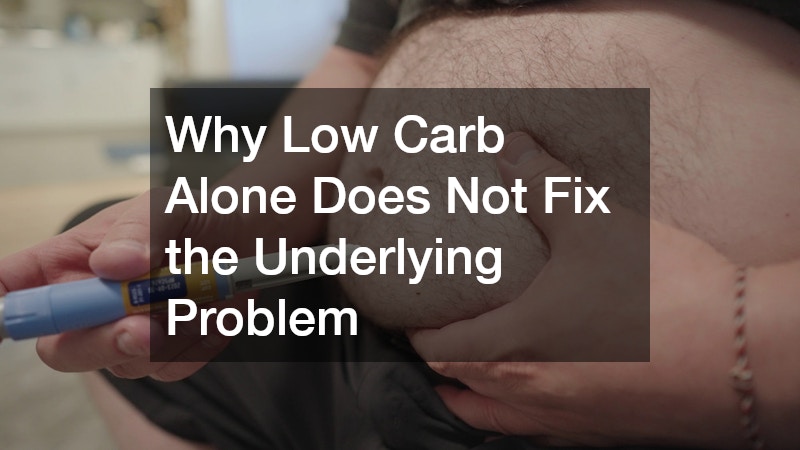
Cutting carbohydrates is a reasonable first step because it reduces the demand on insulin production, but it does not automatically reverse resistance that has built up over time. Some people need additional support beyond diet alone, including structured exercise, sleep correction, and sometimes medication. This is where many people start exploring injectable weight loss drugs as a way to help regulate appetite and improve insulin sensitivity when diet changes alone are not enough. These medications are not a shortcut around healthy eating, but they can help break a stubborn plateau when combined with a sound low carb approach.
It is worth remembering that everyone’s metabolic history is different. Someone who has struggled with insulin resistance for a decade will likely need a more layered strategy than someone catching it early. Patience and realistic expectations matter here.
How Stress Hormones Undermine Your Diet Efforts
Chronic stress raises cortisol, and elevated cortisol works against insulin sensitivity in ways that are easy to overlook. Cortisol’s job is to raise blood glucose so your body has fuel to handle a perceived threat, signaling the liver to release stored sugar and prompting cells to resist insulin’s efforts to clear that sugar from the bloodstream. This response made sense for short bursts of danger, but it becomes counterproductive when triggered daily by traffic, deadlines, or a stressful inbox. Even a technically perfect eating plan can be undermined by constant background stress from work, caregiving duties, or financial pressure. Studies have linked prolonged elevated cortisol to higher fasting glucose and reduced insulin sensitivity, sometimes independent of diet quality or body weight. This means someone eating 30 grams of carbs a day can still show blood sugar readings that don’t reflect their effort, simply because their stress load is quietly working against them. This is one reason people caring for aging parents or dealing with major life transitions often see their blood sugar control stall unexpectedly, even when their food choices haven’t changed. Poor sleep compounds the problem, since sleep deprivation itself raises cortisol and further blunts insulin sensitivity, creating a feedback loop that’s hard to break through diet alone. Divorce, job loss, and grief tend to show up in glucose logs the same way, which is worth remembering before assuming a stalled plateau means the meal plan itself has failed.
Chronic stress raises cortisol, and elevated cortisol directly promotes insulin resistance by signaling your liver to release extra glucose into the bloodstream, even when you haven’t eaten. This means a perfectly formulated low carb meal can still be met with a blood sugar spike if your nervous system is stuck in fight-or-flight mode. Over weeks and months, that pattern trains your cells to become even less responsive to insulin, stalling weight loss regardless of dietary discipline. Managing stress is not just about relaxation apps or occasional self-care days. It requires structural changes to daily routines, adequate sleep of seven to nine hours, and sometimes outside support to remove chronic stressors entirely rather than just coping with them. Small daily practices like a ten-minute walk after meals or consistent bedtimes can measurably lower cortisol over time, but they often aren’t enough if a major stressor remains constant in the background. Families juggling caregiving responsibilities, for example, may find that arranging in home veteran care for a parent or spouse relieves enough daily stress to noticeably improve their own health markers over time. This kind of support can reduce the hours spent on physically and emotionally demanding tasks, freeing up time for sleep, meal preparation, and exercise. When the underlying stressor is addressed rather than managed around, insulin sensitivity often improves alongside energy levels and mood, making weight loss efforts far more effective.
The Role of Sleep Quality in Blood Sugar Control
Poor sleep directly worsens insulin resistance, sometimes within just a few nights of disrupted rest. Studies consistently show that even one week of inadequate sleep can measurably reduce insulin sensitivity in otherwise healthy adults, with some research showing drops of 20-30% after sleep restriction to five or six hours a night. That decline mimics the insulin sensitivity of someone many years older, or of a person carrying significantly more body fat. The mechanism comes down to hormones. Sleep deprivation raises cortisol, blunts growth hormone release, and increases activity in the sympathetic nervous system, all of which push your cells to resist insulin’s signal to absorb glucose. At the same time, poor sleep disrupts leptin and ghrelin, the hormones that regulate hunger, making you crave sugar and refined carbs precisely when your body is least equipped to handle them. If you are eating well but sleeping five or six broken hours a night, your body chemistry is working against your goals. Even worse, fragmented sleep — waking up multiple times even if you technically get seven or eight hours — can produce similar damage to sleep that is simply too short. Quality and continuity matter as much as total hours logged. For most adults, the target is seven to nine hours of consolidated sleep, with consistent bed and wake times. Simple interventions like limiting screens an hour before bed, keeping the bedroom cool and dark, and avoiding late caffeine can meaningfully improve sleep quality within days, giving your low carb efforts a real chance to work.
- Aim for consistent sleep and wake times daily, even on weekends — irregular schedules disrupt cortisol rhythms that regulate insulin sensitivity
- Limit screens for at least thirty minutes before bed, since blue light suppresses melatonin and delays sleep onset
- Keep the bedroom cool (around 65-68°F) and dark for deeper sleep cycles, using blackout curtains or a sleep mask if needed
- Avoid caffeine after early afternoon (roughly 2pm), as its effects can linger for six or more hours and fragment deep sleep
- Skip large meals and alcohol within two to three hours of bedtime, since both can spike blood sugar and disrupt sleep architecture
- Aim for seven to nine hours of sleep per night, since even one night of short sleep can measurably reduce insulin sensitivity
- Address sleep apnea symptoms with a medical professional, especially loud snoring, gasping, or daytime fatigue, since untreated apnea is strongly linked to insulin resistance
When Underlying Health Conditions Complicate Your Progress
Insulin resistance often travels alongside other conditions such as thyroid dysfunction, polycystic ovary syndrome, or fatty liver disease. Each of these can independently slow metabolism and make progress feel impossible even with excellent food choices. Getting proper bloodwork done is essential to understanding what is actually happening inside your body rather than guessing.
For older adults, especially those managing multiple chronic conditions, the picture becomes even more complex. Many families begin researching assisted living communities not just for daily support but because these settings often include better monitoring of blood sugar, medication schedules, and nutrition than an individual can manage alone at home.
Non Diet Medical Treatments That Support Metabolic Health
 Beyond diet and medication, several medical treatments can play a supporting role in managing conditions linked to insulin resistance. For instance, some patients dealing with migraines or excessive sweating related to hormonal imbalance use botox as part of a broader treatment plan under medical supervision. While it doesn’t directly correct insulin sensitivity, it illustrates how metabolic and hormonal issues often require solutions beyond the kitchen.
Respiratory support is another overlooked piece of the puzzle for people with sleep apnea or chronic conditions that worsen insulin resistance. In some home care situations, patients rely on medical gas equipment such as oxygen concentrators to manage breathing conditions that otherwise disrupt sleep and stress hormone levels, indirectly affecting metabolic health.
Building a Realistic Long Term Management Plan
Reversing insulin resistance is rarely quick, and expecting dramatic results within a few weeks often leads to discouragement and program abandonment. A sustainable plan blends nutrition, movement, sleep, and medical monitoring rather than relying on any single fix. Working with a doctor to track fasting insulin and glucose levels over months gives a clearer picture of real progress than daily fluctuations alone.
Home health tracking has become easier with accessible tools that used to be found only in clinics. Many pharmacies now stock medical supplies such as glucose monitors and testing strips that let people track their numbers daily and share trends with their doctor. This kind of consistent data often reveals metabolic improvement long before it shows up in other visible ways.
Recognizing When Professional Support Becomes Necessary
Some people develop unhealthy coping patterns while struggling with weight and metabolic issues, including disordered eating or reliance on substances to manage stress and frustration. If diet struggles are tangled up with anxiety, depression, or substance use, addressing the emotional layer is just as important as fixing insulin levels. In more serious cases, structured programs such as drug rehab may be a necessary step before someone can realistically focus on nutrition or long term metabolic health.
Recognizing this connection is not about shame, it is about honesty. Bodies under chronic emotional strain rarely respond well to diet changes alone, no matter how well planned the meals are.
Insulin resistance is a legitimate physiological barrier, not a sign of failed willpower, and understanding it changes how you approach weight loss entirely. The path forward involves looking beyond the plate to sleep, stress, hormones, and sometimes professional medical support. Start by asking your doctor for basic bloodwork to check fasting insulin and glucose levels, since that single step often reveals more than another month of dietary tweaks. From there, you can build a plan that actually matches what your body needs.