
The healthcare industry continues to grow at a rapid pace, driven by an aging population, advances in medical technology, and an increasing focus on preventative care. As a result, there is a constant need for skilled professionals across a wide range of specialties. Whether you are considering entering the medical field or looking to pivot into a more stable career, healthcare offers numerous paths that are both rewarding and consistently in demand.
From hands-on patient care roles to specialized services and support industries, the opportunities are vast. Below is a comprehensive look at healthcare careers that are expected to remain essential for years to come, along with how they contribute to the overall system.
Specialized Physicians and Clinical Experts

One of the most reliable career paths in healthcare is becoming a specialist. These professionals focus on specific areas of the body or types of care, allowing them to address complex conditions with expertise.
A podiatrist, for example, specializes in diagnosing and treating conditions related to the feet and lower extremities. With rising rates of diabetes and mobility issues, foot health has become increasingly important. Many patients require ongoing treatment for chronic conditions, making this role highly sustainable. In addition to general care, specialists often recommend supportive solutions such as feet orthotics to improve mobility, reduce pain, and prevent further complications.
Another growing field is hearing care. Audiologists play a critical role in diagnosing and managing hearing and balance disorders. As the population ages, hearing loss becomes more common, creating a steady demand for these professionals. Their work not only improves communication but also enhances overall quality of life. With new hearing technologies emerging, this field continues to evolve and expand.
Dental specialists are also in high demand, particularly those focused on aesthetics and patient comfort. A cosmetic dentist helps patients improve the appearance of their smile through procedures like whitening, veneers, and restorative treatments. At the same time, practices that offer sedation dentistry services are seeing increased interest from patients who experience anxiety or discomfort during dental procedures. These services make dental care more accessible and encourage more people to seek regular treatment.
Diagnostic and Entry-Level Clinical Roles
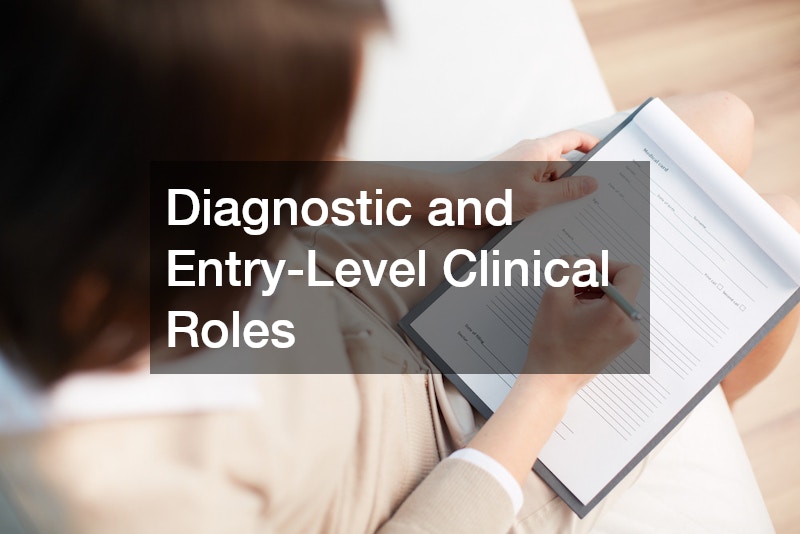
Not every healthcare career requires years of medical school. Many entry-level and mid-level roles provide essential diagnostic support and serve as a gateway into the industry. These positions are ideal for individuals who want to enter the workforce quickly while still making a meaningful impact on patient care. They also offer flexibility, allowing professionals to explore different areas of healthcare before committing to a long-term specialization.
One such pathway is enrolling in an accredited EKG technician program. These programs train individuals to perform electrocardiograms, which are used to monitor heart activity and detect abnormalities. EKG technicians are vital in hospitals, clinics, and cardiology offices, assisting physicians in diagnosing heart conditions quickly and accurately. Because cardiovascular disease remains one of the leading health concerns, this role is expected to remain in demand. In many cases, technicians are responsible not only for conducting tests but also for preparing patients, maintaining equipment, and ensuring accurate data collection, all of which contribute to effective diagnosis and treatment.
In addition to diagnostics, routine health evaluations are another important area of healthcare. Professionals who conduct CDL physicals help ensure that commercial drivers are medically fit to operate vehicles safely. These exams are required by law and must be completed regularly, creating a consistent need for qualified providers. This niche may not always be top of mind, but it plays a crucial role in public safety and regulatory compliance. It also provides opportunities for healthcare professionals to work in clinics, urgent care centers, or even mobile health units that serve transportation companies.
These entry-level roles often serve as stepping stones. Many professionals begin in diagnostic or support positions and later pursue advanced certifications or degrees, expanding their career opportunities within the healthcare system. Over time, individuals may transition into specialized clinical roles, healthcare administration, or even education and training positions. This upward mobility makes these careers especially appealing for those looking to build a long-term future in healthcare without starting with extensive schooling.
Long-Term Care and Patient Support
As life expectancy increases, so does the need for long-term care services. Facilities that provide ongoing assistance for seniors and individuals with chronic conditions are expanding rapidly. Advances in medicine have allowed people to live longer, but many require varying levels of support as they age, creating a sustained demand for skilled professionals who can provide both medical and personal care.
The assisted living sector is one of the fastest-growing areas in healthcare. These communities offer a balance between independence and support, helping residents with daily activities while maintaining a high quality of life. Careers in this field range from nursing and caregiving to administration and therapy services. The demand is driven by demographic trends, making it a stable and future-proof option. As more families seek safe and supportive environments for their loved ones, these communities continue to grow in both size and scope.
In these environments, healthcare professionals often work as part of a multidisciplinary team. They coordinate care plans, monitor patient progress, and ensure that residents receive the attention they need. This collaborative approach highlights the importance of communication and adaptability in modern healthcare careers. Staff members must be able to respond to changing health conditions, adjust care strategies, and work closely with families to keep them informed and involved.
Additionally, emotional intelligence plays a major role in long-term care. Professionals in these settings are not just providing medical assistance—they are building relationships, offering companionship, and supporting mental well-being. This human connection is a key reason why these roles remain so valuable and irreplaceable.
Technology is also beginning to play a larger role in long-term care settings. From electronic health records to remote monitoring systems, professionals are increasingly using digital tools to track patient health and improve outcomes. These innovations help staff respond more quickly to potential issues and provide more personalized care. At the same time, they create new opportunities for workers who are comfortable combining healthcare knowledge with technical skills.
Another important aspect of long-term care is the focus on quality of life. Beyond meeting basic needs, many facilities now offer enrichment programs, social activities, and wellness initiatives designed to keep residents engaged and active. This holistic approach requires a diverse team, including activity coordinators, therapists, and support staff, all working together to create a positive living environment.
As the population continues to age, the importance of long-term care will only increase. This makes it an ideal career path for individuals who are not only interested in healthcare but also passionate about making a meaningful difference in people’s daily lives.
Pharmaceutical and Specialized Treatment Services

Behind the scenes of many medical treatments are highly specialized pharmaceutical services that ensure patients receive the medications they need. While physicians diagnose and perform procedures, it is often pharmaceutical experts who manage the long-term success of those treatments through careful medication planning and monitoring.
Transplant pharmacies are a prime example of this niche. These pharmacies focus on providing medications for patients who have undergone organ transplants. The complexity of these treatments requires precise medication management, as even small errors can have serious consequences. Professionals in this field must have a deep understanding of drug interactions, immunosuppressive therapies, and patient education. They also work closely with transplant teams, including surgeons and specialists, to ensure that each patient’s medication regimen is tailored to their specific needs.
Because organ transplants are life-saving procedures that require lifelong care, the demand for expertise in this area continues to grow. This makes it an excellent option for those interested in a highly specialized and impactful career. As transplant procedures become more advanced and accessible, the need for knowledgeable pharmaceutical professionals will only increase.
In addition to managing prescriptions, professionals in this field often monitor patient progress over time, adjusting medications as needed to prevent rejection and minimize side effects. They may also help coordinate insurance approvals and ensure that patients have consistent access to often costly medications, which adds another layer of responsibility to the role.
Beyond transplant care, pharmaceutical professionals are increasingly involved in patient counseling, helping individuals understand their medications and adhere to treatment plans. This expanded role further strengthens the importance of this career path within the healthcare ecosystem. By educating patients on proper usage, potential side effects, and the importance of consistency, these professionals play a direct role in improving outcomes and reducing hospital readmissions.
The Role of Equipment and Supply Chains
Healthcare is not just about doctors and nurses; it also relies heavily on the availability of tools and resources. The medical supplies industry plays a critical role in ensuring that hospitals, clinics, and care facilities are properly equipped.
From basic items like gloves and bandages to advanced diagnostic equipment, the need for reliable supply chains is constant. Careers in this sector include logistics, sales, inventory management, and procurement. These roles may not involve direct patient care, but they are essential for the smooth operation of healthcare systems.
The COVID-19 pandemic highlighted just how crucial this sector is. Disruptions in supply chains can have widespread effects, underscoring the importance of professionals who can anticipate demand, manage inventory, and ensure timely distribution. As healthcare systems continue to grow more complex, the need for efficient supply management will only increase.
Preventative and Supportive Care Solutions
Modern healthcare is increasingly focused on prevention and improving overall well-being. This shift has created new opportunities in supportive care services that help patients maintain their health and avoid more serious conditions.
Foot care is a strong example of this trend. In addition to clinical treatment, many patients benefit from custom solutions like feet orthotics, which provide support and alleviate discomfort. These products are often recommended by specialists and require collaboration between healthcare providers and manufacturers.
Similarly, dental care has evolved to emphasize patient comfort and accessibility. The availability of sedation dentistry services allows individuals who might otherwise avoid treatment to receive the care they need. This not only improves oral health but also reduces the risk of more serious medical issues down the line.
Preventative care also extends to routine screenings, lifestyle counseling, and early intervention strategies. These approaches not only improve patient outcomes but also reduce long-term healthcare costs, making them a priority across the industry.
Why These Careers Remain Stable

Several factors contribute to the long-term stability of healthcare careers. First, the demand for medical services is constant and often increasing. Unlike many industries that fluctuate with economic conditions, healthcare remains essential regardless of external factors.
Second, advancements in technology and treatment methods continue to expand the scope of care. New tools and techniques require trained professionals to implement them, creating additional job opportunities.
Third, regulatory requirements ensure that certain services must be performed regularly. For example, cdl physicals are mandated for commercial drivers, guaranteeing ongoing demand for qualified examiners.
Finally, demographic trends play a significant role. As the population ages, the need for services such as assisted living, hearing care, and chronic disease management continues to grow.
Choosing the Right Path
With so many options available, selecting the right healthcare career depends on your interests, skills, and long-term goals. Some individuals are drawn to direct patient care, while others prefer roles that focus on technology, administration, or support services.
If you are looking for a quicker entry into the field, programs like an accredited ekg technician program can provide the training needed to start working in a relatively short time. On the other hand, those interested in specialized care may choose to pursue advanced degrees to become a podiatrist, audiologist, or cosmetic dentist.
It is also important to consider the work environment. Some professionals thrive in fast-paced hospital settings, while others prefer the more personal atmosphere of private practices or community-based care facilities.
Shadowing professionals, volunteering, or completing internships can provide valuable insight into different roles. These experiences can help you make informed decisions and find a path that aligns with both your professional ambitions and personal values.
A Field That Grows With You
Healthcare is not just a career—it is a living, evolving ecosystem that adapts to the needs of society. What makes this field especially unique is that it grows alongside both the population and the professionals within it.
You might begin your journey learning the fundamentals through hands-on training or entry-level clinical work. Over time, that path can branch into specialization, leadership, or even innovation. A technician may become a specialist. A caregiver may move into administration. A provider may expand into a niche service that fills a growing gap in patient care.
At every stage, there is room to evolve. New technologies will emerge. Patient expectations will shift. Entire sectors—like long-term care, diagnostic services, and pharmaceutical support—will continue to expand. And with each change, new opportunities will follow.
What ties all of these roles together is impact. Whether someone is helping a patient walk comfortably again, restoring confidence through dental care, supporting recovery after a transplant, or ensuring clinics have the tools they need, every role contributes to a larger purpose.
That’s what makes healthcare different from most industries. It doesn’t just offer job security—it offers meaning.