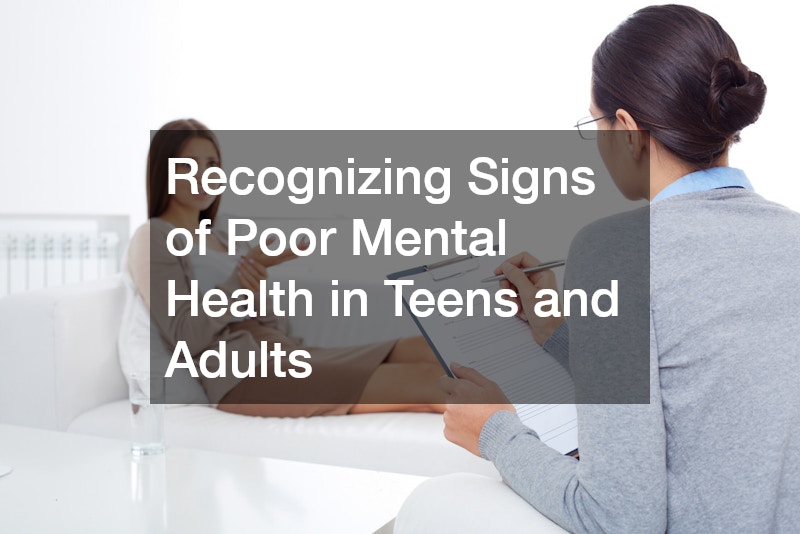
Mental health is a vital part of overall wellness, yet it is often overlooked until challenges become more severe. Recognizing the signs of poor mental health in both teens and adults is crucial because early awareness can lead to timely support and intervention. Understanding how these signs manifest differently across age groups helps families, friends, and communities respond with empathy and effectiveness.
Understanding Mental Health and Why It Matters
Mental health affects how individuals think, feel, and behave. It influences how people handle stress, relate to others, and make choices. When mental health is compromised, it can impact every aspect of life, from relationships to work or school performance. For teens, the pressures of adolescence, such as academic demands and social challenges, can intensify mental health struggles. Adults face their own complexities, including career responsibilities, family dynamics, and financial worries. Because mental health issues often develop gradually and invisibly, knowing the subtle signs can make a significant difference.
Signs of Poor Mental Health in Teens
Teens are navigating an important developmental stage filled with change and uncertainty. While mood swings and occasional withdrawal are typical during adolescence, persistent sadness or irritability may suggest deeper problems. A teenager who suddenly loses interest in activities or friends that once brought joy might be experiencing emotional distress. Changes in sleep habits, such as staying up late for extended hours or sleeping excessively, can be indicators of mental health challenges. Academic difficulties often arise when a teen is overwhelmed or struggling internally; this might appear as declining grades or lack of motivation. Physical symptoms such as headaches or stomachaches without clear medical reasons may also be connected to emotional struggles. In some cases, risky behaviors, like experimenting with substances or self-harm, reflect an attempt to cope with feelings that feel unbearable. Observing these behaviors carefully and with compassion can help identify when a teen needs additional support.
Recognizing Mental Health Challenges in Adults
Adults tend to experience mental health struggles differently, though the impact can be just as profound. A common sign of poor mental health in adults is persistent sadness or anxiety that lasts for weeks or months and interferes with daily life. Concentration difficulties and trouble making decisions can hinder professional productivity and personal responsibilities. Changes in appetite or weight may also accompany emotional distress, as some adults lose interest in food while others may overeat in response to stress. Fatigue that doesn’t improve with rest is another symptom that often goes unnoticed but signals emotional exhaustion. Social withdrawal is common as well; adults might avoid family, friends, and activities they once enjoyed, which can deepen feelings of loneliness. Additionally, some adults turn to alcohol or drugs as a way to numb emotional pain, though this often exacerbates the underlying issues. Recognizing these signs early encourages seeking help before mental health deteriorates further.
The Importance of Early Recognition and Response
Noticing signs of poor mental health early can change the course of a person’s well-being. Often, individuals hesitate to speak openly about their struggles due to fear or stigma. That’s why family members, friends, and caregivers need to remain observant and supportive without judgment. When a teen or adult exhibits signs of mental distress, encouraging open conversations about their feelings can create a safe space for them to express themselves. It’s equally important to validate their experiences and let them know they are not alone. Seeking professional assistance, whether through counseling, therapy, or medical care, can provide the tools necessary for healing and management. In schools, workplaces, and communities, fostering awareness and access to mental health resources benefits everyone.
Supporting Mental Health With Compassion
Providing support to someone facing mental health challenges requires patience and empathy. Simply being present and listening without rushing to offer solutions can be incredibly comforting. Many individuals feel isolated by their struggles, and knowing that someone cares can reduce feelings of hopelessness. Encouraging the pursuit of professional help, while respecting their readiness, shows care without pressure. Staying connected through regular contact and invitations to engage socially can gently counteract withdrawal tendencies. Understanding that recovery is a process with ups and downs helps maintain realistic expectations. Educating oneself about mental health promotes a more compassionate perspective and improves the ability to provide meaningful support.
Recognizing the signs of poor mental health in teens and adults is essential for promoting healthier lives and communities. The journey to mental wellness is deeply personal, but awareness and early intervention are universal keys to success. Mental health affects every part of a person’s life, from their relationships to their sense of purpose. When symptoms go unnoticed or ignored, the consequences can be severe, but with attentiveness and support, healing is possible. Whether it is a teenager struggling to manage emotions or an adult feeling overwhelmed by life’s pressures, understanding the warning signs empowers us all to take action. Prioritizing mental health through compassion, education, and open dialogue paves the way for stronger, more resilient individuals and families.