

Many people live with a persistent ache in the lumbar region that refuses to fade, regardless of how many stretching routines they try or how often they alter their posture at work. When a physical symptom becomes a constant presence, the instinctual response is to treat the exact area where the discomfort occurs. However, the human body rarely functions in isolated compartments. Instead, it operates as a continuous, interconnected network of bones, muscles, nerves, and chemical signals known as the kinetic chain. When one link in this chain experiences a disruption, the forces are redistributed upward or downward, frequently manifesting as trouble in the lumbar spine. For those searching for genuine, lasting back pain relief, looking at the entire structural and physiological framework of the body is often the missing piece of the puzzle. Chronic discomfort is often just the final symptom of a compensation pattern that started months or even years prior in a completely different area of the anatomy. By exploring how seemingly unrelated parts of the body interact, individuals can begin to understand why traditional, single-focus treatments sometimes fail to yield permanent results. Healing requires an appreciation for the complex interplay between skeletal support, muscular balance, and internal biochemistry.
Ground Up Anatomy – The Foot and Ankle Dynamic
The journey through the kinetic chain begins at the ground level with the complex architecture of the human foot. Every step taken generates a ground reaction force that travels upward through the ankles, knees, hips, and into the spine. If the arches of the feet collapse or if a person overpronates while walking, the entire lower extremity rotates internally. This subtle, repetitive internal rotation pulls on the knee joint and forces the femur to tilt the pelvis forward. When the pelvis tilts out of its neutral alignment, it creates an exaggerated curve in the lower spine, placing immense pressure on the lumbar discs and surrounding muscles. Many individuals spend years treating their spine without ever realizing that their shoes or gait patterns are the true culprits behind their daily aches. Consulting a professional like an experienced foot doctor can shed light on these foundational vulnerabilities. Through specialized gait tracking and structural assessments, these specialists can pinpoint minor imbalances in the feet that disrupt the entire posture. Correcting these early mechanical issues with custom orthotics alters the way force moves through the lower limbs, removing the constant mechanical stress that keeps the lower back in a state of perpetual irritation.
Moving Up the Chain – Skeletal Alignment and the Spine
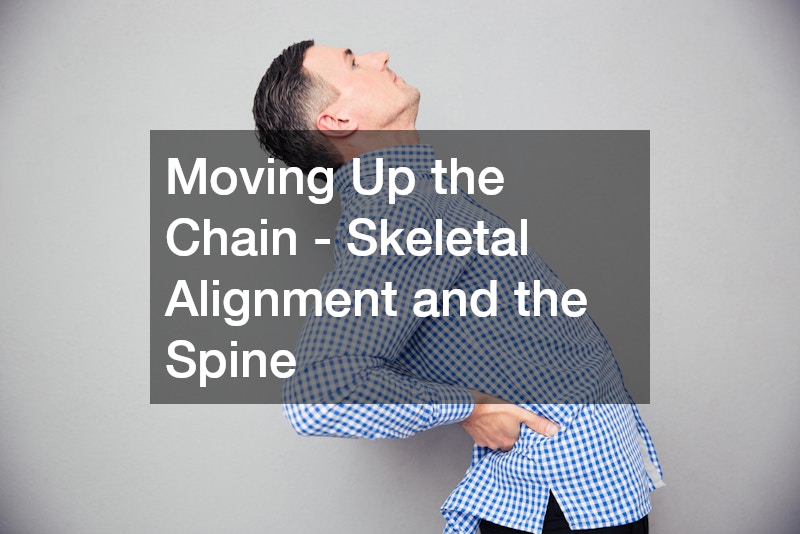
Once forces pass beyond the lower limbs, they meet the pelvis, which serves as the central junction box of the skeletal system. The pelvis acts as a balance wheel, distributing weight from the upper body down to the legs while absorbing shocks from movement below. When an individual has uncorrected foot mechanics or a history of minor injuries, the pelvis often tilts or rotates to compensate. This shift alters the functional length of the legs, causing one hip to sit higher than the other. The lumbar spine must then bend laterally to keep the head level, creating chronic muscle spasms on one side of the lower back. To address these structural deviations, a qualified chiropractor evaluates the relationship between the sacroiliac joints, pelvis, and vertebrae. These professionals look at how minor misalignments restrict natural joint movement and irritate local nerves. By gently restoring proper movement to locked or restricted joints, they help redistribute mechanical weight evenly across the entire skeletal frame. This comprehensive assessment ensures that the spine is not forced to bear an uneven load, allowing the body to return to a neutral posture where muscles can function efficiently without overworking.
Muscular Balance – Retraining Functional Movement Patterns
Skeletal alignment is only one half of the equation; the muscles that span across these joints must also be trained to pull with equal force and timing. When a skeletal misalignment persists, certain muscle groups become chronically overstretched and weak, while their opposing pairs become short, tight, and hyperactive. For instance, tight hip flexors from prolonged sitting will mechanically pull the pelvis forward, forcing the gluteal muscles to turn off or become inactive. This muscular imbalance leaves the lower back without its primary muscular support system during movements like walking, lifting, or standing. To reverse these deeply ingrained habits, a skilled physical therapist provides targeted rehabilitation programs that focus on neuromuscular re-education. These specialists analyze exactly how a person moves during daily tasks, identifying which muscles are failing to fire and which ones are overcompensating. Through precise, progressive exercises, they teach the body how to stabilize the spine dynamically. This therapeutic approach does not just temporarily alleviate tension; it actively rebuilds the movement patterns required to prevent future strain, giving patients the physical resilience necessary to handle everyday physical demands without triggering a painful relapse.
The Deep Core – The Critical Role of Pelvic Stability
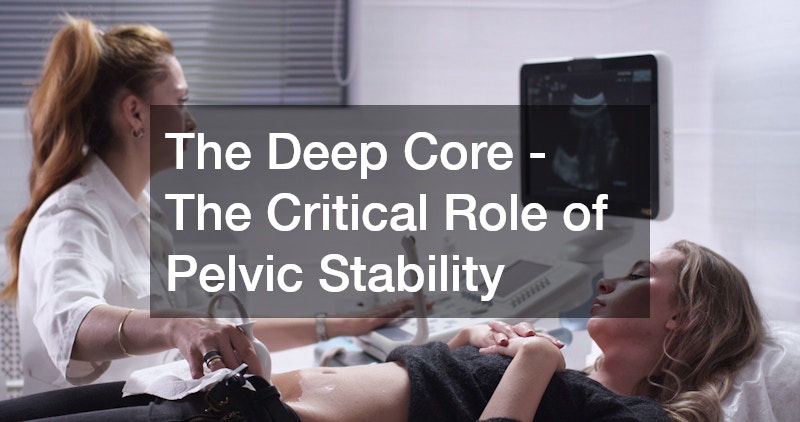
Deep within the abdominal and pelvic cavities lies a specialized canister of muscles responsible for maintaining internal pressure and stabilizing the spine from within. This system includes the diaphragm at the top, the transverse abdominis around the sides, and a vital group of muscles at the very bottom of the basin. When these deep internal structures are weakened or hypertonic, the body loses its built-in internal corset, causing the superficial back muscles to grip tightly to keep the body upright. Many people associate core strength exclusively with traditional abdominal exercises, but true stability depends heavily on the tone and function of the pelvic floor. When these deep base muscles are dysfunctional, individuals often experience unexplained lumbar stiffness that resists standard stretching routines. Incorporating specialized pelvic floor therapy can be a transformative step for those dealing with persistent core instability. This clinical intervention focuses on coordinating the deep core with natural breathing patterns, ensuring that the lower spine receives adequate internal support during both rest and activity. By restoring the natural flexibility and strength of this deep muscular base, the constant protective tension in the lower back can finally be released.
Soft Tissue Dynamics – Easing Compensatory Strain
As muscles work overtime to compensate for poor foot mechanics, pelvic tilts, and core weakness, they develop micro-tears, adhesions, and localized trigger points. These dense knots of muscle tissue restrict localized blood flow, keeping the tissue bathed in inflammatory cellular waste and preventing fresh oxygen from aiding the repair process. Over time, the protective layer of connective tissue, known as fascia, becomes thick and rigid, binding the muscles together and severely limiting a person’s natural range of motion. When the soft tissues of the hips, glutes, and lower back are locked in this defensive state, even simple movements can feel incredibly exhausting and painful. Working with a clinical massage therapist helps break up these stubborn manual restrictions and restores healthy fluid dynamics to the soft tissues. By applying targeted pressure to hyperactive trigger points and stretching out tight fascial lines, these practitioners manually encourage the nervous system to let go of its defensive guarding. This hands-on care complements active rehabilitation by creating a temporary window of increased mobility and reduced sensitivity, making it substantially easier for individuals to perform their corrective exercises with proper form.
Clinical Adjustments – Targeted Mechanical Care

Achieving long-term freedom from discomfort requires combining soft tissue release with precise structural maintenance to ensure the nervous system can communicate clearly with the rest of the body. When joints remain stuck or restricted for long periods, the brain actually rewires its internal map of movement, accepting a distorted posture as the new normal. To disrupt this faulty neurological loop, utilizing a dedicated chiropractic service can provide the precise mechanical input needed to reset joint proprioception. These specific structural adjustments deliver a quick, controlled stimulus to the mechanoreceptors within the joint capsules, sending an immediate signal to the brain to relax the surrounding protective muscle spasms. This mechanical reset helps restore a natural range of motion to segments of the spine that have been locked down by chronic compensation patterns. When combined with movement therapies that retrain the feet and core, these regular joint corrections help solidify structural changes, ensuring that the body does not simply slide back into its old, painful habits of misalignment and uneven weight distribution during daily physical activities.
The Chemical Framework – How Hormones Influence Tissue Healing
While mechanical alignment and muscular support are fundamental components of physical health, the body’s internal chemistry plays an equally decisive role in how tissues recover from stress. The musculoskeletal system relies on a steady stream of signaling molecules to repair micro-tears in muscles, maintain the integrity of spinal ligaments, and control systemic inflammation. When an individual experiences a decline in key sex hormones, such as estrogen, progesterone, or testosterone, the body’s natural regenerative capacity slows down significantly. This internal deficiency can leave ligaments lax and joints unstable, forcing muscles to work twice as hard to maintain basic stability, which often leads to chronic fatigue and soreness. To address these systemic chemical imbalances, many modern wellness plans explore advanced optimization methods like bioidentical hormone pellets. These tiny, plant-based implants deliver a consistent, steady release of natural compounds directly into the bloodstream, bypassing the dramatic fluctuations associated with other delivery methods. By restoring these critical chemical messengers to optimal levels, the body can effectively rebuild damaged collagen, reduce systemic joint discomfort, and provide the cellular foundation required to heal structural issues from the inside out.
Metabolic Support – Systemic Regulation and Recovery

Before any physical rehabilitation program can succeed, the underlying cellular environment must have the energetic resources required to process inflammation and rebuild tissue. Beyond sex hormones, the thyroid gland serves as the master controller of human metabolism, regulating everything from body temperature to the speed at which individual cells produce energy. If thyroid function dips, cellular energy production plummets, leaving the body unable to efficiently repair everyday wear and tear in the joints and muscles. People with undiagnosed metabolic slowdowns often notice that their muscles remain sore for days after mild activity, and their ligaments lose the elasticity needed to support proper spinal tracking. When chronic structural aches refuse to resolve despite excellent mechanical care, consulting a specialized thyroid specialist can uncover hidden metabolic roadblocks to recovery. These clinical professionals look far beyond standard screening ranges, analyzing a comprehensive panel of thyroid markers to ensure that cells are receiving the precise instructions needed to thrive. Optimizing metabolic function ensures that the body has the structural resources necessary to synthesize new proteins and respond effectively to physical therapy protocols.
Comprehensive Wellness – An Integrated Care Environment
True physical resilience is rarely achieved by looking at the human body through a single lens. As research continues to highlight the profound connections between foot biomechanics, pelvic stability, muscular balance, and endocrine function, the traditional approach of visiting separate, disconnected clinics is quickly becoming outdated. Modern wellness requires an integrated environment where mechanical specialists and biochemical experts can collaborate on a single, unified plan of care. A contemporary med spa serves as an ideal setting for this type of comprehensive, multi-disciplinary approach to health. Within these advanced clinical spaces, individuals can access cutting-edge soft tissue therapies, regenerative medical treatments, and structural evaluations all under one roof. This collaborative model ensures that a patient’s structural adjustments are fully supported by optimal cellular nutrition, balanced hormones, and targeted functional movement training. By addressing both the mechanical and chemical links of the kinetic chain simultaneously, people can move past temporary symptom management and build a strong, integrated foundation for long-term health, vitality, and pain-free movement.
Navigating the Road to Structural Longevity
When individuals commit to an integrated care strategy, the path to long-term physical comfort becomes significantly clearer. The human body functions best when its structural architecture works in harmony with its internal biochemistry. Resolving a persistent ache in the lumbar spine is not merely a matter of treating the localized area of discomfort; it involves optimizing every system that influences the spine. From the way the feet strike the ground during a morning walk to the subtle balancing acts performed by deep pelvic stabilizers, every physical detail matters. Furthermore, ensuring that the endocrine system is fully supported provides the metabolic fuel required for tissues to heal and adapt to these structural improvements. By choosing an all-encompassing strategy that honors the complexity of the kinetic chain, patients can break free from the cycle of repetitive injury and temporary relief. Embracing a unified framework for structural and systemic health allows the body to regain its natural resilience, paving the way for a more active, energetic, and completely pain-free life.