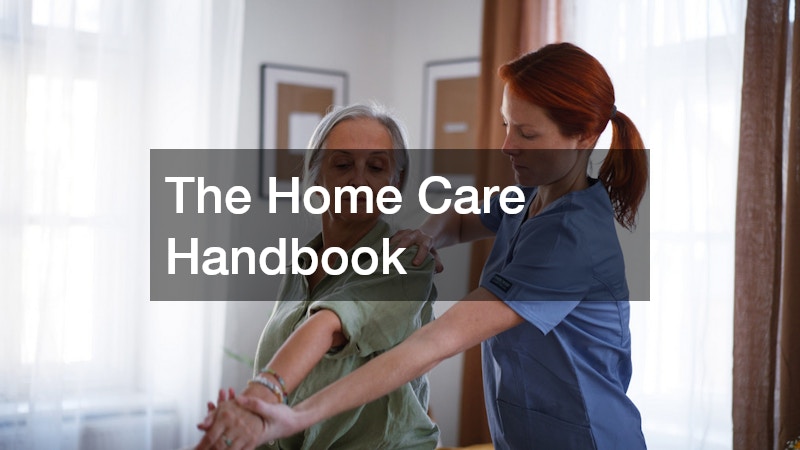

This guide helps you understand effective home care essentials. Whether you’re a professional caregiver, a family member, or someone seeking better home care understanding, you’ll find helpful insights here.
Home care is vital for providing personal care and support at home, maintaining dignity, independence, and quality of life.
What are the essential skills required for home caregivers?
Communication Skills
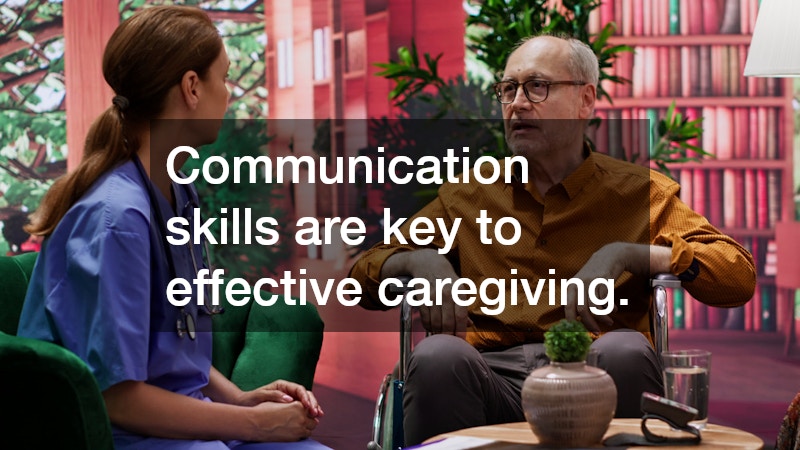
Communication skills are key to effective caregiving. Caregivers must convey information clearly, listen actively, and adapt their communication to fit the care recipient’s needs, building trust and rapport. Understanding non-verbal cues, patience, and empathy are important, as well as educating family members and coordinating with healthcare professionals.
Health Monitoring Abilities
Caregivers monitor health by tracking vital signs and recognizing changes in health conditions. They should be adept with health assessment tools and comfortable with healthcare technology, ensuring they can make informed decisions.
Time Management Expertise
Managing time is essential for comprehensive home care. Caregivers must balance responsibilities, creating schedules that prioritize tasks and follow-ups, reducing stress, and maintaining personal and professional balance.
Emotional Intelligence
Emotional intelligence helps caregivers recognize and manage emotions, building trusting relationships with empathy and comfort. Detecting emotional distress and addressing it through dialogue or professional help is important.
Problem-Solving Skills
Caregivers must address challenges effectively by assessing situations and implementing solutions swiftly, ensuring a proactive approach to minimize risks.
How do you create a safe home environment for care?
Fall Prevention Strategies
A safe environment begins with fall prevention, removing clutter, securing rugs, and installing grab bars. Regular physical activity improves balance and strength, reducing fall risks.
Accessibility Modifications
Accessibility modifications, like ramps and wider door frames, support independence. Caregivers observe mobility challenges and advocate for changes.
Emergency Preparedness
Creating an emergency plan with contact information and evacuation routes is crucial. Caregivers should have first-aid training and educate clients and families on these plans.
Hygiene and Cleanliness Management
Maintaining hygiene prevents infections. Caregivers should ensure regular cleaning, proper sanitation, and educate on personal hygiene for a healthy living space.
Secure Medication Storage
Medications should be securely stored out of reach, with a maintained log of medications to prevent misuse or poisoning.
What is the role of technology in modern home care?
Remote Monitoring Devices
Remote monitoring devices enable tracking of vital signs, ensuring timely responses to health changes and minimizing hospital visits.
Telehealth Services
Telehealth services offer medical consultations via video calls, reducing travel and infection risk, especially for those with mobility challenges.
Wearable Health Technology
Wearable technology like fitness trackers provides real-time health insights, aiding personalized care and early intervention.
Digital Health Records
Digital records consolidate medical information, aiding care continuity and reducing errors while enhancing coordination between care teams.
Mobile Apps for Care Management
Mobile apps streamline care tasks, offering tools for medication reminders, appointment scheduling, and communication among caregivers and clients.
How can caregivers manage work-life balance effectively?
Time Management Techniques
Caregivers should prioritize tasks and maintain a structured schedule using calendars and reminders to balance work and personal life.
Stress Management Strategies
Caregivers should use deep breathing, mindfulness, and physical activity for stress relief and seek support when needed.
Setting Boundaries Between Work and Personal Life
Caregivers should set clear boundaries with clients and family members about availability and personal time for mental recharge.
Seeking Support Networks
Connecting with support networks provides emotional relief and shared experiences, while professional counseling offers coping strategies.
Scheduling Regular Breaks and Self-Care
Regular breaks and self-care foster physical and mental rejuvenation, allowing caregivers to recharge and maintain effectiveness.
What financial considerations are associated with home care?
Understanding Insurance and Coverage Options
Knowing insurance and coverage options, including Medicare and Medicaid, is essential for financial planning in home care.
Budgeting for Long-term Care
Evaluating care costs and creating realistic budgets aid in reducing financial stress, ensuring resource allocation for continuity of care.
Exploring Government Assistance Programs
Government assistance programs like Medicaid and Veterans Affairs provide financial support, reducing care-related expenses.
Financial Planning for Unforeseen Expenses
Establishing an emergency fund for care expenses ensures stability and continuity of care during unexpected financial demands.
Legal Considerations and Power of Attorney
Legal documents, including wills and powers of attorney, enable smooth decision-making when clients cannot advocate for themselves.
Home care requires understanding skills, environment, technology, and finances. This guide equips caregivers with tools for effective home care, enhancing their capacity to offer compassionate, efficient support, maintaining dignity and quality of life. Staying informed and adaptable is key to success as home care evolves.