There is a moment in early recovery during rehab that is often discussed in hushed tones but rarely planned for: the moment you realize how much money you actually have. For years, financial resources likely evaporated into the chaos of addiction—spent on substances, legal fees, impulsive decisions, or lost through unemployment. When the fog clears, a strange phenomenon occurs. The “addiction tax” is repealed. Suddenly, the hundreds or thousands of dollars that were siphoned off every month are staying in your bank account.
This newfound financial liquidity can be a blessing, but it can also be a trigger. Unassigned capital in early recovery can burn a hole in your pocket. Without a plan, that money can lead to boredom-induced spending or, worse, fuel a relapse. The solution is a radical shift in perspective. Instead of viewing this money simply as savings or disposable income, view it as capital for the most important startup you will ever launch: your new life.
Recovery is not just about returning to your baseline; it is about building a version of yourself that is stronger, healthier, and more resilient than the person who walked into treatment. This concept of “self-investment” is critical. It involves strategically deploying your financial resources into areas that yield a high Return on Investment (ROI) for your sobriety. By channeling funds into physical health, restoring your confidence, and fortifying your mind, you build a life that is so valuable to you that you wouldn’t dream of risking it.
This guide explores specific, high-impact areas where you can allocate your post-recovery budget. We will move beyond generic advice and look at actionable investments that solidify your foundation, from building a sanctuary for physical fitness to exploring advanced neurological healing. This is about using your money to buy back your health, your smile, and your peace of mind.

Build a Personal Sanctuary for Physical Wellness
Establishing a Consistent Fitness Routine Without the Commute
The connection between physical exertion and sustained sobriety is well-documented biologically. During active addiction, the brain’s reward system—specifically the dopamine receptors—takes a significant hit. When you get sober, there is often a deficit of “feel-good” chemicals, leading to the flat, gray feelings of early recovery known as anhedonia. Physical exercise is one of the few natural ways to jumpstart this system, releasing endorphins and dopamine that help regulate mood and reduce cravings.
However, the traditional route of joining a crowded commercial gym can present significant hurdles for someone in early recovery. The anxiety of being in a loud, crowded space, the feeling of being judged, or simply the logistical friction of a commute can be enough to derail good intentions. This is where investing in your own space becomes a strategic move. By bringing the gym to you, you eliminate the excuses and the social anxiety, creating a safe harbor where you can reconnect with your body on your own terms.
Investing in versatile home gym equipment is a practical first step. You do not need a garage full of machines to see results. The goal is to create a “ritual space”—a corner of a room dedicated solely to your physical reconstruction. This might include adjustable dumbbells, a high-quality kettlebell, resistance bands, and a stable yoga mat. This equipment represents more than just metal and rubber; it represents autonomy. When you wake up feeling restless or triggered at 10 PM, your sanctuary is there. You can channel that nervous energy into movement immediately, without needing to drive anywhere or interact with anyone.
This discipline mirrors the structure necessary for maintaining the lessons learned during substance abuse treatment. In treatment, your day was likely regimented and structured. At home, you must become the architect of that structure. A morning workout routine establishes a “win” early in the day, setting a positive tone and reinforcing the self-discipline that keeps you sober. Over time, as you see your body strengthen and change, you begin to respect it more. It becomes harder to justify poisoning a vessel you have worked so hard to build.
Actionable Investment Tips:
- Start Small but High Quality: Don’t fill your house with cheap clutter. Buy one high-quality piece of gear, like a set of adjustable dumbbells that save space but offer a full range of weight.
- The “Trigger” Buster: Keep a piece of equipment, like a grip strengthener or a jump rope, easily accessible. When a craving hits, commit to 5 minutes of intense activity to change your physiological state.
- Create Atmosphere: Invest in a bluetooth speaker or meaningful lighting for your workout space. Make it a place you want to be, distinct from the rest of your living area.
Restore Your Smile to Rebuild Social Confidence
Addressing the Physical Toll of Past Neglect
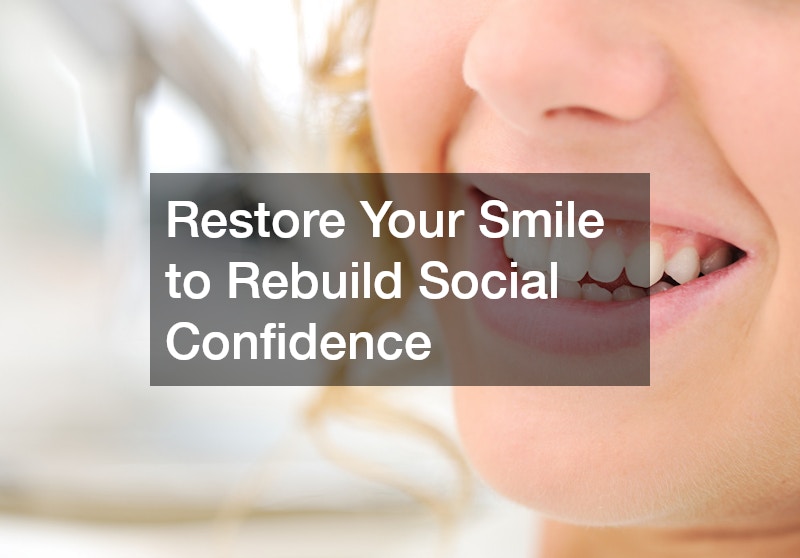
One of the most painful and visible scars of addiction is dental damage. Whether caused by the corrosive nature of certain substances, the grinding of teeth (bruxism), chronic dry mouth, or simply the years of neglecting hygiene while in the grip of chaos, the result is often a source of deep shame. Many people in recovery find themselves hiding their mouths when they laugh, speaking with a hand over their face, or avoiding social interactions entirely because they are embarrassed by their teeth.
This shame is a toxic element in recovery. It feeds the narrative that you are “damaged goods” and can prevent you from pursuing job interviews or dating, keeping you stuck in isolation. Therefore, visiting a compassionate dentist should be one of the first major financial priorities after stabilizing your sobriety. This is not about vanity; it is about removing a physical barrier to your reintegration into society. A good practitioner will understand your medical history (including the need to avoid opioid pain management) and work with you to create a restoration plan.
For those who have suffered significant tooth loss, the investment in dental implants can be life-altering. Unlike dentures, which can sometimes slip or cause discomfort, implants provide a permanent, structural solution that preserves jawbone density and facial structure. The psychological impact of having a full, functional smile cannot be overstated. It allows you to eat properly, speak clearly, and most importantly, smile without hesitation. When you look in the mirror and see a healthy smile, it reinforces the reality that you have healed. It is a daily affirmation that the past is behind you and that you have repaired the damage it caused.
Actionable Investment Tips:
- The “Employment Smile”: If you are re-entering the workforce, prioritize visible repairs. Employers unconsciously respond to a confident smile. View dental work as a career investment.
- Phased Treatment Plans: Dental work is expensive. Ask your provider to prioritize the most urgent health issues (infections, pain) first, then move to structural repairs like implants, and finally cosmetic touches.
- Dedicated Savings: If insurance covers only a portion of the cost, set up a dedicated “Health Restoration” savings bucket. Putting money toward this goal every month gives you a tangible milestone to work toward.

Polish Your Image for the Professional World
Refining Aesthetics as a Form of Self-Respect
Once the urgent structural repairs are made, the next phase of investment focuses on refinement and self-image. In the depths of addiction, appearance is often the last priority. Hygiene slides, clothes don’t fit, and self-care is nonexistent. As you emerge into long-term recovery, taking pride in your appearance is a powerful signal of self-respect. It tells the world—and more importantly, yourself—that you value who you are.
Investing in orthodontic correction is a prime example of this refinement. Many adults who missed out on braces in their youth, or whose teeth shifted during years of neglect, feel self-conscious about their alignment. However, the idea of wearing metal braces as an adult can be daunting. This is where modern solutions like Invisalign become a worthwhile expenditure. Because they are clear and removable, they allow you to upgrade your smile discreetly while maintaining a professional image.
The process of straightening your teeth serves as a potent metaphor for the work you are doing on your life. Just as you are aligning your behaviors, values, and goals, you are aligning your physical self. This attention to detail marks a significant departure from the chaotic lifestyle that often precedes alcohol rehab. In that former life, long-term goals were impossible; everything was about immediate gratification. Orthodontics is the opposite: it requires patience, compliance, and a vision for the future.
Furthermore, feeling good about your appearance reduces social anxiety. When you walk into a room feeling put-together and confident, you are less likely to seek “liquid courage” or other crutches to cope with insecurity. The investment in your image is ultimately an investment in your social armor.
Actionable Investment Tips:
- The Compliance Test: Treatments like clear aligners require you to wear them for 22 hours a day. Use this as a mindfulness practice. Every time you remove them to eat or clean them, remind yourself of your commitment to self-improvement.
- Professional Wardrobe: Alongside your smile, invest in a “capsule wardrobe” of high-quality clothes that fit your healthy body. Discard the old clothes that remind you of your using days.
- Grooming Routine: allocate a small budget for quality skincare or haircuts. These small, regular expenditures reinforce the habit of self-care.

Explore Advanced Therapies for Brain Healing
Breaking Through Treatment-Resistant Barriers
For many in recovery, the cessation of substance use is only the first step. The underlying mental health conditions—depression, PTSD, or anxiety—that may have driven the addiction in the first place often remain. Sometimes, traditional talk therapy and standard antidepressants are not enough to break through the fog of treatment-resistant depression. This is where allocating funds toward advanced, evidence-based medical therapies can be revolutionary.
Science has made significant strides in understanding neuroplasticity—the brain’s ability to reorganize itself by forming new neural connections. One of the most promising developments in this field is ketamine therapy. When administered in a controlled, clinical environment, this treatment has shown profound results for individuals who have not responded to other medications. It works on a different neurotransmitter system (glutamate) than traditional antidepressants and can facilitate a rapid reduction in depressive symptoms and suicidal ideation.
It is vital to distinguish this medical application from recreational use. This investment must be made through a reputable clinic, often allied with a specialized addiction treatment center that understands the complexities of a recovering brain. The cost of these treatments is often out-of-pocket, as insurance coverage varies, but for those stuck in a cycle of chronic relapse due to untreated depression, it can be the key that unlocks long-term stability. It provides a biological “reset” that allows other forms of therapy to take root.
Actionable Investment Tips:
- Vetting is Crucial: Do not look for the cheapest provider. Look for clinics with board-certified anesthesiologists or psychiatrists on staff who require a referral from your primary therapist.
- Integration is Key: The medication opens a window of plasticity in the brain. Invest in therapy sessions immediately following treatments to “imprint” positive changes during this receptive window.
- Budgeting for Maintenance: Understand that this is rarely a “one and done” cure. You may need booster infusions over time, so factor this into your annual medical budget.

Fortify Your Mind with Ongoing Professional Support
Treating Mental Health as a Fixed Monthly Expense
There is a dangerous misconception that completing a program at an inpatient drug treatment centers implies you are “cured.” The reality is that residential treatment is merely the boot camp; the war is won in the trenches of daily life. The first year of recovery is filled with “firsts”—the first sober birthday, the first breakup, the first job stress. Navigating these without a chemical buffer requires expert guidance.
This is why mental health counseling should not be viewed as an optional luxury, but as a fixed utility bill, as essential as electricity or rent. It is the operating cost of your new life. Many people make the mistake of cutting back on therapy as soon as they start feeling better. This is often when the risk is highest. Investing in a high-quality therapist—someone who specializes in trauma, EMDR (Eye Movement Desensitization and Reprocessing), or Somatic Experiencing—ensures that you are constantly processing life’s stressors rather than letting them accumulate.
While free support groups are an invaluable part of the recovery ecosystem, they do not replace the clinical work of one-on-one counseling. A paid professional provides a confidential, objective space to unpack deep-seated issues that peer groups may not be equipped to handle. By budgeting for weekly or bi-weekly sessions, you are purchasing an insurance policy against relapse. You are ensuring that when a crisis hits, you already have a support system in place, rather than scrambling to find help when you are already drowning.
Actionable Investment Tips:
- The “Emergency Fund” for the Mind: Just as you have a financial emergency fund, keep a buffer in your budget for extra therapy sessions during high-stress periods (holidays, anniversaries of trauma).
- Specialized Modalities: Don’t just settle for “venting” sessions. Invest in therapists who teach concrete tools and coping mechanisms. You are paying for skills, not just a listening ear.
- Scale, Don’t Quit: If money becomes tight, discuss scaling back frequency (e.g., from weekly to bi-weekly) rather than quitting entirely. Consistency is more important than intensity.
Conclusion
When you look at the total cost of these investments—the gym equipment, the dental work, the therapy—the number might seem intimidating. But compare that number to the cost of active addiction. Compare it to the legal fees, the lost wages, the medical bills from accidents, and the sheer waste of spending money on substances that provide nothing but misery. When you view it through that lens, spending money on your recovery is the greatest bargain of your life.
Every dollar you spend on your physical health, your appearance, and your mental stability acts as a brick in the wall that protects you from your past. These are not frivolous purchases; they are assets that appreciate over time. A healthy body gives you the energy to work and earn; a confident smile opens doors to new opportunities; a healed mind allows you to maintain relationships and build a future.
This concept of the “New You” is not a fantasy. It is a construction project. You are the architect, and your finances are the materials. Don’t let your money sit idle, and don’t fritter it away on temporary distractions. Give every dollar a job. Direct your resources toward things that make you stronger, happier, and more free. The best investment you will ever make is in yourself—because you are the one asset that, if nurtured, will pay dividends for the rest of your life.
