
A sudden headache, a deep cut, a nagging fever that will not break, a strange new bump that appeared overnight. Deciding where to go for care can feel more stressful than the symptom itself, especially when every option seems to promise fast answers. Choosing wrong can mean wasted hours in a waiting room, an unnecessary bill, or worse, a dangerous delay in getting real emergency treatment.
This guide breaks down the major levels of care so you can match your symptoms to the right setting with confidence.
Recognizing True Life-Threatening Emergencies
Some symptoms leave no room for guesswork and demand the fastest, most equipped level of care available. These are situations where organ damage, permanent disability, or death can occur within minutes if treatment is delayed. Calling 911 or heading straight to the ER is the only appropriate response when your body is signaling that something catastrophic is happening. Hospitals staffed for true emergencies have imaging, surgical teams, and specialists on call around the clock specifically for these moments.
- Chest pain, pressure, or tightness, especially with shortness of breath or sweating
- Sudden weakness, slurred speech, or facial drooping on one side
- Severe uncontrolled bleeding or a deep wound exposing bone or muscle
- Loss of consciousness, seizures, or difficulty breathing
- Signs of stroke, heart attack, or severe allergic reaction like throat swelling
Handling Non-Life-Threatening Injuries and Illnesses
Not every injury needs a hospital’s full resources, and this is where a walk-in clinic becomes genuinely useful. An urgent care center is designed for problems that need same-day attention but are not putting your life at immediate risk. These clinics typically have X-ray machines, basic lab testing, and providers who can stitch wounds, set simple fractures, and treat infections quickly. Choosing this route over a hospital often means shorter wait times and a smaller bill for the exact same quality of treatment.
- Sprains, strains, and suspected minor fractures
- Cuts that need stitches but are not gushing blood
- Ear infections, urinary tract infections, and sinus infections
- Mild asthma flare-ups or persistent low-grade fevers
- Minor burns or animal bites that break the skin
Managing Chronic Conditions Through Your Regular Doctor
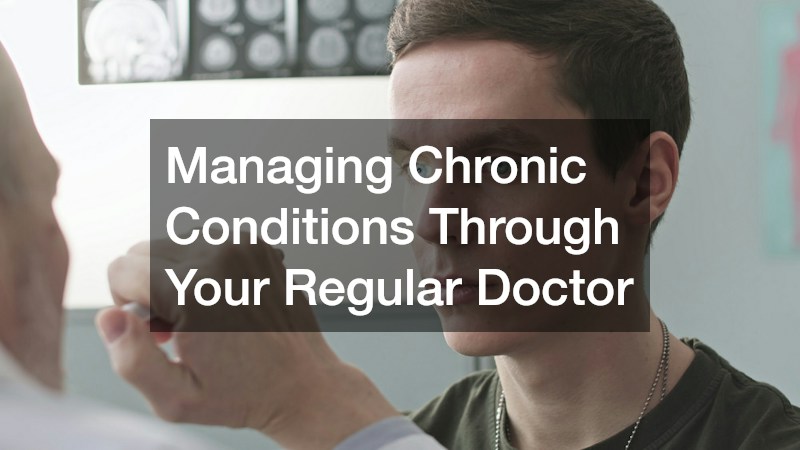
If you already have a diagnosis and your symptoms are following a familiar, expected pattern, your primary care provider is usually the right first call rather than any walk-in facility. This applies to conditions like diabetes, hypertension, asthma, hypothyroidism, or arthritis, where flare-ups or gradual changes are part of the known course of the disease. A slightly elevated blood sugar reading, a predictable asthma trigger, or joint stiffness that responds to your usual regimen are all situations where continuity of care matters more than speed. Doctors who know your history can adjust medications, order follow-up labs, and catch subtle changes that a stranger seeing you for the first time might miss. They already have your baseline vitals, prior test results, and medication list on file, which means less time spent re-explaining your history and more time spent actually solving the problem.
A physician who has treated you for years may also notice a five-pound weight change or a slight shift in mood that a first-time provider wouldn’t recognize as significant. This relationship-based care also tends to be more affordable over time since it focuses on prevention and early intervention rather than one-off treatment. A typical primary care visit runs $75 to $150 out of pocket, compared to $150 to $300 at an urgent care clinic or well over $1,000 at an emergency room for a comparable complaint. Sticking with one provider also means insurance paperwork, referrals, and prior authorizations move faster since the office already has your records on file.
Building a rapport with one provider means fewer repeated tests and a more coordinated approach to your overall health. It also makes it easier to schedule routine bloodwork, vaccinations, and screenings alongside chronic condition management, rather than treating each issue as an isolated event. Over months and years, this consistency often catches problems—like early kidney changes from long-term diabetes—well before they become emergencies.
- Diabetes management and routine blood sugar concerns, including A1C monitoring every 3-6 months
- Blood pressure medication adjustments when readings creep above 130/80
- Ongoing back pain or arthritis flare-ups that don’t involve numbness, weakness, or loss of bladder control
- Annual physicals and preventive screenings like cholesterol panels, cancer screenings, and vaccinations
- Mental health check-ins and medication refills for stable, previously diagnosed anxiety or depression
- Thyroid function tests and dosage tweaks for existing hypothyroidism or hyperthyroidism
- Minor skin issues, recurring rashes, or prescription renewals for chronic conditions like eczema or asthma
Evaluating New or Unusual Physical Changes
Sometimes a symptom is not painful or urgent, but it is new, unexplained, and worth investigating through a specialist rather than a general clinic. Skin changes, unexplained lumps, or shifts in sexual health, for example, often benefit from a provider who focuses specifically on that area of the body. In men’s sexual health, certain specialists now offer treatments like the priapus shot, a procedure that uses a patient’s own blood platelets to address erectile difficulties. Because these are elective, specialized treatments rather than emergencies, they are best researched and scheduled deliberately with a qualified provider rather than pursued through an urgent facility.
- New moles or changes to existing skin spots
- Unexplained weight loss or persistent fatigue
- Changes in sexual function or performance
- Lumps or swelling that do not resolve within a couple of weeks
- Digestive changes lasting longer than two weeks
Deciding Between a Phone Call and an In-Person Visit
Telehealth has changed how people access care, and for many symptoms, a video call is genuinely sufficient. Rashes, minor cold symptoms, medication questions, and follow-up appointments can often be handled without ever leaving your couch. That said, telehealth providers will usually redirect you to an in-person option if they suspect something more serious is going on, so it is not a way to avoid necessary evaluation. Knowing when a phone consultation is appropriate can save you a significant amount of time and money before you commit to an in-person visit.
- Mild rashes or allergic reactions without breathing trouble
- Cold and flu symptoms without high fever
- Prescription refills for stable chronic conditions
- Follow-up questions after a recent appointment
- Mental health talk therapy sessions
Conclusion
The right level of care depends less on how uncomfortable a symptom feels and more on how quickly it could become dangerous if left untreated. When in doubt, err on the side of caution and seek a higher level of care rather than a lower one. Keep this guide handy so the next time a symptom strikes, you can make a fast, informed decision instead of a panicked guess. Your health, your time, and your wallet will all benefit from choosing the setting that actually matches what your body needs.