

A sudden injury or a symptom that won’t quit can leave you stuck between two bad options: ignore it and hope for the best, or head to the nearest emergency room and pay for care you might not need. The truth is there are more choices in between than most people realize, each suited to a different level of urgency and complexity. Knowing how to sort your situation before you walk out the door can save you hours of waiting and hundreds of dollars. This guide breaks down the most common care settings so you can match your symptoms to the right level of care with confidence.
Recognize the Warning Signs That Mean You Need Emergency Care
Some symptoms leave no room for guesswork, and recognizing them quickly can be the difference between a full recovery and a lasting complication. Chest pain, sudden numbness on one side of the body, severe difficulty breathing, and uncontrolled bleeding all fall into this category. If you or someone nearby experiences these, the ER is the only appropriate destination, and calling emergency services to get there is often safer than driving yourself. Hospitals staffing an ER have the imaging, specialists, and equipment on hand to stabilize life-threatening conditions in ways no other setting can match.
It helps to think of these symptoms as red flags that override any hesitation about cost or wait times. Waiting to see if a symptom improves on its own is a gamble that isn’t worth taking when the stakes are this high. The goal isn’t to create panic over every ache, but to build a mental checklist you can run through in a moment of stress.
- Sudden chest pressure or pain radiating to the arm or jaw
- Difficulty speaking, confusion, or facial drooping
- Severe allergic reactions with swelling or trouble breathing
- Deep wounds with heavy bleeding that won’t stop with pressure
- Loss of consciousness or a head injury with vomiting
Understand When a Fast-Access Clinic Is the Smarter Choice

Not every injury or illness requires a trip to the hospital, and this is where urgent care centers earn their reputation as a practical middle ground. These clinics are designed to handle issues that need same-day attention but aren’t immediately life-threatening, such as sprains, minor fractures, ear infections, or a fever that won’t break. They typically offer extended evening and weekend hours, which makes them a realistic option when your regular doctor’s office is closed. Choosing urgent care over an emergency room for these situations can cut your wait time significantly and reduce your out-of-pocket costs.
Many people default to the emergency room simply because they aren’t sure if their situation qualifies as urgent care territory. A good rule of thumb is to ask whether the condition is stable but still needs prompt treatment within the next day. If the answer is yes, urgent care staff can usually run basic X-rays, stitch a wound, or prescribe medication just as effectively as a hospital would for the same complaint.
- Minor cuts that may need stitches but aren’t bleeding uncontrollably
- Sprains, strains, or suspected minor fractures
- Flu symptoms, sinus infections, or persistent fevers
- Mild asthma flare-ups without severe breathing distress
- Minor burns that don’t cover a large area of the body
Know What Fast, Non-Emergency Visits Handle Best
A walk in clinic fills a specific niche in the care landscape, often focusing on routine, lower-acuity needs rather than injuries. These clinics are well suited for things like vaccinations, basic physicals, minor rashes, or a quick strep test when you can’t get a same-day appointment elsewhere. Because they don’t require advance scheduling, a walk in clinic can be a convenient stop for people who just need a quick answer without committing to a full doctor’s visit. Many are located inside pharmacies or retail stores, which adds to their convenience for quick, uncomplicated needs.
The tradeoff is that these clinics generally aren’t equipped for anything requiring imaging, advanced diagnostics, or ongoing management of a complex condition. They work best as a bridge for minor, self-limiting issues rather than a replacement for consistent medical care. Understanding this distinction helps you avoid wasted trips when your symptoms actually call for a higher level of attention.
- Basic vaccinations and travel immunizations
- Simple rashes, minor allergic reactions, or poison ivy
- Strep throat or basic cold and flu testing
- School or sports physicals
- Prescription refills for minor, ongoing issues
Build a Lasting Relationship With Your Doctor for Ongoing Health

While walk in clinics are great for one-off problems, primary care doctors remain the foundation of long-term health management. They know your medical history, track patterns over time, and can catch early warning signs that a clinic seeing you for the first time might miss. A subtle fifteen-pound weight change, a slight uptick in blood pressure, or fatigue that’s crept in over the past year might seem unremarkable in isolation, but a doctor who has seen you annually will notice the trend before it becomes a diagnosis. Regular checkups with primary care doctors also make it easier to manage chronic conditions like diabetes or high blood pressure before they become emergencies. Annual bloodwork, routine screenings, and simple conversations about medication adherence often catch problems months or years before symptoms would force an ER visit. This kind of continuity also means fewer redundant tests, since your doctor already has your baseline numbers on file instead of starting from scratch. Building this relationship before you’re sick pays off enormously when something serious does come up. A doctor who already understands your history, allergies, and risk factors can move faster on referrals, imaging, or specialist appointments when time matters most. If you don’t currently have a primary care doctor, consider it a health priority on par with diet and exercise, not an errand to put off until something goes wrong.
A good primary care relationship also means you have someone to call for guidance when you’re unsure which care setting fits your situation. Instead of guessing whether a symptom warrants an ER visit, an urgent care stop, or a wait-and-see approach, a quick call to a doctor’s office who already knows your history can settle the question in minutes. Many practices now offer same-day sick visits, nurse advice lines, or telehealth consultations, narrowing the gap between routine care and urgent need. A telehealth check-in for a suspicious rash or a lingering cough, for instance, can often resolve the issue or determine whether in-person care is truly necessary, without the hours-long wait typical of an urgent care clinic. This matters financially as well as medically: an unnecessary ER visit can run several times the cost of a same-day appointment with your own physician, and it often means explaining your history from scratch to someone who has never seen you before. This ongoing partnership often prevents unnecessary trips to higher-cost settings altogether, while also ensuring that whoever treats you already understands your baseline health, medications, and risk factors.
Consider Non-Surgical Options Before Choosing an Operation
When a diagnosis points toward a surgical procedure, it’s worth asking your provider about alternatives to surgery before committing to an operation. Physical therapy, targeted injections, bracing, and lifestyle modifications can resolve many musculoskeletal issues without the recovery time and risk that come with going under the knife. This doesn’t mean surgery is never necessary, but a second opinion focused specifically on non-surgical options can clarify whether you have more time to make a decision than you initially thought. Insurance companies often require documentation of conservative treatment attempts before approving surgical procedures anyway, so exploring these options is frequently a practical first step regardless.
The setting where you first seek care can influence which path gets presented to you. A specialist may lean toward the treatment they perform most often, so gathering information from more than one source helps you make a balanced decision. Asking direct questions about success rates, recovery timelines, and long-term outcomes for both surgical and non-surgical routes puts you in a stronger position.
Consider Specialized Care for Hormone-Related Health Concerns

Fatigue, mood changes, and low energy are symptoms that could stem from dozens of causes, which is why hormone-related concerns often require a more targeted evaluation than a quick, general checkup. If bloodwork points to a deficiency, testosterone therapy is one option a physician may discuss as part of a broader treatment plan. This is not a decision to make casually, since hormone therapy involves ongoing monitoring and carries its own set of risks and benefits depending on age and health history. Specialized clinics and endocrinologists are typically better equipped for this kind of nuanced, long-term treatment than a provider seeing you for a single, isolated visit.
Getting an accurate baseline through proper lab work is essential before starting any hormone-related treatment. Symptoms alone aren’t a reliable enough guide, since conditions like sleep apnea or thyroid dysfunction can mimic low testosterone symptoms closely. A provider who specializes in this area can help you avoid jumping to a treatment that doesn’t actually address the root cause.
Sort Through Options After a Sudden Injury
The moments after a car crash are disorienting, and figuring out where to seek care for auto accident injuries adds another layer of stress on top of an already difficult day. Severe pain, visible deformity, or loss of consciousness at the scene means emergency medical care is the right call without hesitation. But for the whiplash, soreness, or delayed pain that often shows up a day or two later, a follow-up visit with a primary care provider or a specialist in accident-related injuries is usually more appropriate. Documentation matters here too, since insurance claims often hinge on having a clear medical record of your symptoms and treatment timeline.
It’s worth noting that adrenaline can mask pain immediately following a collision, so feeling fine at the scene doesn’t guarantee you’re actually unhurt. Scheduling a checkup within a few days of the accident, even if you feel mostly normal, can catch soft tissue damage before it worsens. This proactive step also protects you legally and medically if symptoms develop later.
Ask About Regenerative Treatments for Chronic Pain or Wellness Goals
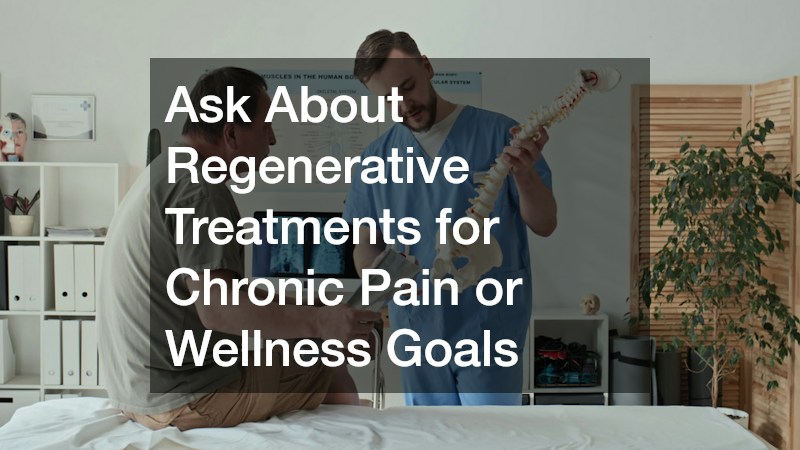
Regenerative treatments have grown in popularity, and one option some patients research is a pshot, a platelet-rich plasma injection sometimes used for tissue repair and wellness purposes. Because this falls outside standard same-day medical care, it’s typically offered through specialized clinics that focus on regenerative or sexual wellness medicine. Patients considering this route should ask detailed questions about the provider’s experience, the evidence supporting the treatment for their specific concern, and what results are realistically expected. This is a good example of a treatment that requires research and a planned consultation rather than a walk-in visit.
Because these treatments aren’t always covered by insurance, understanding the full cost upfront prevents surprises later. Comparing providers and asking for before-and-after outcomes from similar patients can help set realistic expectations. This is the kind of decision best made with time and research, not urgency.
Explore Support for Long-Term Mobility Equipment Needs
Mobility challenges from injury, surgery recovery, or a chronic condition often raise questions about equipment that a general clinic visit won’t necessarily answer. Powered wheelchairs can restore independence for people who struggle with manual mobility devices due to strength, coordination, or endurance limitations. Getting properly evaluated for this kind of equipment usually involves a physical therapist or occupational therapist who can assess your specific needs and recommend the right features. Insurance coverage for these devices often requires documented medical necessity, so working with the right provider from the start streamlines the approval process.
Choosing the right mobility equipment isn’t something to rush, since the wrong fit can create new physical problems or fail to solve the original issue. A trial period with different models, when available, helps ensure the final choice actually matches your daily routine and environment. Taking time here leads to a better long-term outcome than settling for the first option presented.
Recognize the Signs That Point to Needing Structured Recovery Support
Not every health concern is physical in an obvious way, and recognizing when drinking has crossed into a serious problem is its own kind of urgent decision. Withdrawal symptoms like tremors, seizures, or severe anxiety after stopping alcohol use can be medically dangerous and may require supervised detox rather than an at-home attempt. Alcohol rehab programs offer structured support that addresses both the physical and psychological sides of dependency, something a single doctor’s visit typically can’t provide. Reaching out to a primary care provider first can be a good starting point for a referral to the appropriate level of treatment.
Recognizing the need for help early, rather than waiting for a crisis, generally leads to better outcomes and more treatment options. Family members and friends often notice warning signs before the individual is ready to acknowledge them, and gently raising the topic can open the door to seeking help. Treatment options range from outpatient counseling to residential programs, depending on the severity of the situation.
Matching your symptoms to the right care setting isn’t always obvious in the moment, but a little preparation goes a long way toward making a confident decision under pressure. Keep a mental list of true emergencies, know which clinics near you handle urgent versus routine needs, and don’t hesitate to call your doctor’s office when you’re unsure. The right choice often saves you time, money, and unnecessary stress while still getting you the care you actually need. When in doubt, err on the side of caution, but remember that more options exist than the emergency room alone.