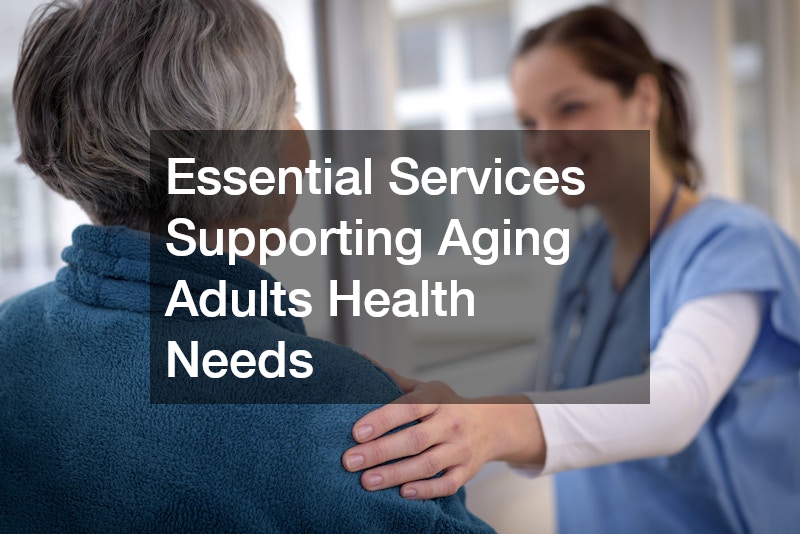

Aging brings a natural shift in health needs, routines, and priorities. Many older adults find that maintaining independence requires more intentional support across physical health, emotional well-being, and preventive care. Families and caregivers are often responsible for navigating a complex system of services while ensuring their loved ones receive the right care at the right time.
Modern healthcare offers a wide range of options that can be tailored to individual needs rather than relying on a one-size-fits-all approach. From managing chronic conditions to improving mobility, supporting mental health, and addressing sensory changes, there are practical services that can significantly improve quality of life. The key is understanding how these services work together and how to use them proactively rather than reactively.
This guide explores essential support systems that can help aging adults stay healthier, more independent, and more confident in their daily lives.
Supporting Emotional Balance and Mental Clarity

Emotional well-being is one of the most overlooked aspects of aging care, yet it often has a direct impact on physical health, energy levels, and social engagement. Older adults may experience isolation, grief, anxiety, or cognitive stress due to life transitions such as retirement, loss of loved ones, or health changes. These experiences can gradually build up, sometimes presenting as fatigue, irritability, memory lapses, or a general loss of motivation. Because these symptoms can overlap with physical health conditions, emotional struggles are frequently under-recognized or attributed solely to aging itself.
One effective approach is integrating both traditional and complementary mental health support, creating a more flexible system that meets individuals where they are emotionally and cognitively.
A hypnotherapist can help individuals address deep-rooted stress patterns, sleep difficulties, and anxiety. This approach is often used to support relaxation and behavioral change, especially when conventional methods alone are not sufficient. Sessions are typically structured to help patients reframe thought patterns and develop healthier responses to stress. For some older adults, hypnotherapy can also support habit changes such as improving sleep routines, reducing chronic worry, or easing physical tension that is linked to emotional distress.
In addition, counseling services provide structured emotional support through licensed professionals who guide individuals through grief, depression, family conflict, or adjustment challenges. These services often include:
- One-on-one therapy sessions focused on emotional processing
- Family counseling to improve communication and reduce tension
- Group therapy for shared experiences and social support
- Coping strategy development for daily stress management
Beyond formal therapy, emotional balance can also be supported through small but consistent lifestyle adjustments. Encouraging regular social interaction, whether through community centers, faith-based groups, or senior activities, can significantly reduce feelings of isolation. Even simple routines like daily phone calls, scheduled walks, or shared meals can help reinforce a sense of connection and stability.
Practical tips for families and caregivers:
- Encourage consistent emotional check-ins rather than waiting for crises
- Normalize therapy as part of overall health care, not just mental illness treatment
- Support participation in regular sessions without judgment
- Watch for signs of withdrawal, mood changes, or sleep disruption
- Encourage engagement in meaningful activities that provide purpose, such as volunteering or hobbies
When emotional health is prioritized alongside physical care, aging adults often show improved resilience, stronger cognitive clarity, and better engagement with other aspects of their health plan. Over time, this holistic support helps create a more stable foundation for independence and overall well-being.
Restoring Function and Confidence in Oral Health

Improving Mobility and Personalized Medication Support
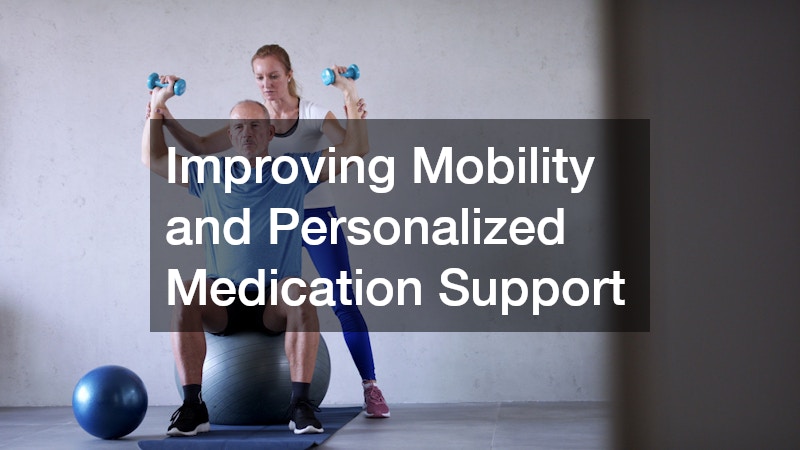
Physical independence is closely tied to mobility and effective medication management. As the body ages, recovery from injury may take longer, and chronic conditions may require more structured care plans. Even routine activities such as climbing stairs, getting out of a chair, or carrying groceries can become more challenging without targeted support. When mobility declines, it often leads to reduced activity levels, which can further weaken muscles and increase the risk of falls or additional injury. This creates a cycle that makes early intervention especially important.
Physical rehabilitation plays a critical role in restoring strength, balance, and coordination. Rehabilitation programs are often tailored to individual needs and may include guided exercises, manual therapy, and functional movement training. These programs help reduce fall risk and improve long-term mobility. A strong rehabilitation plan often starts with an initial assessment that identifies specific limitations, followed by progressive exercises that gradually rebuild endurance and stability. In many cases, even small improvements in mobility can significantly enhance independence and confidence in daily life.
A compound pharmacy provides customized medication solutions tailored to specific patient needs. This can include adjusted dosages, alternative delivery methods (such as liquid forms instead of pills), or allergen-free formulations. This is particularly useful for older adults who may have difficulty swallowing pills, require precise dosing adjustments, or experience side effects from standard medications. By personalizing prescriptions, compound pharmacies help improve adherence and reduce complications associated with medication mismanagement.
Practical steps to improve outcomes:
- Follow rehabilitation exercises consistently, even at home
- Set realistic mobility goals with measurable progress markers
- Use assistive devices when recommended to prevent injury
- Keep a medication schedule that is easy to understand and follow
- Track progress weekly to identify improvements or setbacks early
Additional tips:
- Combine physical therapy with low-impact activities like walking or water exercise
- Request medication packaging that simplifies daily dosing
- Regularly review prescriptions with healthcare providers to avoid interactions
- Monitor pain levels and mobility changes closely
- Encourage safe movement throughout the day rather than long periods of inactivity
When rehabilitation and medication management are aligned, aging adults often regain greater independence, experience fewer complications from chronic conditions, and maintain a higher overall quality of life.
Maintaining Sensory Health and Ensuring Timely Care Access
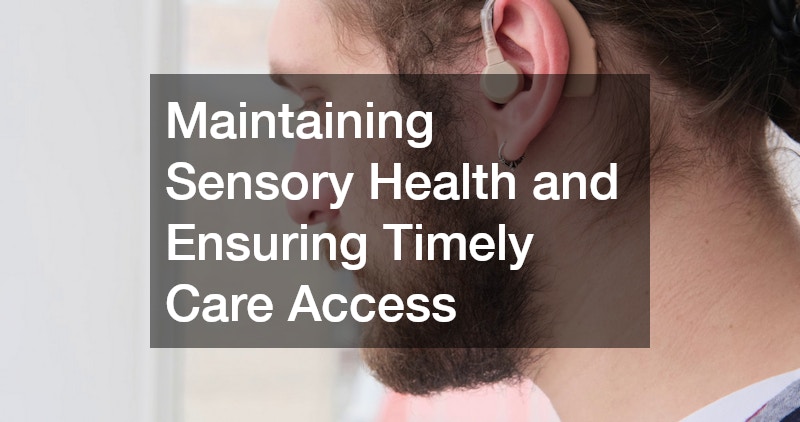
Changes in hearing and general health can significantly affect communication, safety, and quality of life. Many older adults experience gradual sensory decline that can go unnoticed until it begins to interfere with daily interactions. Because these changes often happen slowly, individuals may adapt without realizing how much they are missing—whether it’s parts of conversations, environmental sounds like alarms or doorbells, or subtle cues in social settings. Over time, this can lead to frustration, withdrawal, or misunderstandings that strain relationships and reduce confidence in everyday interactions.
A routine hearing test is an essential part of preventive care. Early detection of hearing loss allows for timely intervention, which can improve communication and reduce feelings of isolation. Hearing evaluations can also identify underlying conditions that may require further attention. In many cases, addressing hearing changes early makes treatment options more effective and easier to adapt to, whether that involves hearing aids, lifestyle adjustments, or further medical evaluation. Regular testing also helps establish a baseline, making it easier to track changes over time and adjust care plans accordingly.
Walk in clinics provide accessible care for non-emergency medical issues. These facilities are especially useful for aging adults who may need prompt attention for minor illnesses, infections, or injuries without waiting for scheduled appointments. They can be particularly valuable when primary care offices are booked or when symptoms arise outside of regular office hours. Having quick access to care can prevent minor issues from developing into more serious complications, especially for individuals managing chronic conditions.
Actionable recommendations:
- Schedule annual hearing evaluations, even without noticeable symptoms
- Use assistive hearing devices if recommended early rather than delaying treatment
- Keep a list of nearby walk in clinics for urgent but non-emergency care
- Ensure caregivers know when immediate medical attention is necessary
- Track changes in hearing or balance as part of routine health monitoring
Helpful habits:
- Reduce background noise during conversations to improve communication clarity
- Use written notes or digital tools to support memory and understanding
- Address ear infections or wax buildup promptly
- Encourage social engagement to reduce isolation from hearing challenges
- Position oneself in well-lit, quiet environments during conversations to improve comprehension
Timely attention to sensory health helps aging adults remain socially active, alert, and confident in their daily environments. It also supports cognitive engagement, since clearer communication and consistent sensory input help maintain mental sharpness and reduce the cognitive strain that can come from constantly trying to interpret unclear sounds or missed information.
Enhancing Preventive Care and Long-term Health Planning
Preventive care is one of the most powerful tools for maintaining long-term wellness. By identifying potential health risks early, individuals can make informed decisions that improve outcomes and reduce complications later in life.
Invisalign offers a discreet orthodontic option for adults who want to correct alignment issues without traditional braces. Proper alignment can improve chewing efficiency, reduce jaw strain, and enhance oral hygiene by making teeth easier to clean.
A dna testing center provides genetic screening that can reveal inherited health risks and guide personalized care strategies. This type of testing can help identify predispositions to conditions such as cardiovascular disease or certain metabolic disorders.
Practical ways to use preventive tools effectively:
- Review genetic test results with healthcare professionals for context
- Use findings to guide lifestyle changes such as diet and exercise
- Follow orthodontic treatment plans consistently for best results
- Maintain regular preventive screenings alongside genetic insights
Additional considerations:
- Combine preventive dental care with routine medical checkups
- Track family health history to identify recurring conditions
- Use preventive data to support early intervention strategies
- Stay proactive rather than waiting for symptoms to appear
Preventive care empowers aging adults to take control of their health trajectory and reduce uncertainty about future risks.
Supporting aging adults requires a thoughtful, proactive approach that addresses both immediate needs and long-term health goals. By integrating emotional support, dental care, mobility assistance, sensory health management, and preventive strategies, families can create a comprehensive system that promotes independence and dignity.
The most effective care plans are not static—they evolve as needs change. Regular communication, early intervention, and coordinated services ensure that aging adults are not only treated for conditions but supported in living fuller, more confident lives.