

Aging gracefully often requires more than just good habits—it involves proactively accessing services that promote both comfort and independence. Seniors face unique challenges that can affect mobility, health, and overall quality of life. From medical care and physical therapy to home assistance and social support, the right services can make a huge difference in daily living. Many older adults and their families are unaware of the wide array of resources available, but knowing what’s out there can empower seniors to maintain their autonomy while staying safe and healthy.
Living independently as we age doesn’t mean doing everything alone. It means having access to the right support and knowing how to integrate those services into daily life. This guide explores actionable tips for seniors to maximize comfort, maintain independence, and stay proactive about their health and well-being. Each section is focused on providing practical advice for accessing, coordinating, and benefiting from essential services, ensuring seniors can thrive in their homes and communities.

Prioritizing Heart Health With Regular Cardiovascular Care
Maintaining cardiovascular health is essential for seniors, as heart disease is one of the leading causes of complications in older adults. Regular check-ups with a cardiologist allow for early detection of potential issues, such as high blood pressure, atrial fibrillation, or coronary artery disease. When preparing for these visits, seniors should track symptoms like fatigue, chest discomfort, shortness of breath, and irregular heartbeats. Bringing a complete list of medications and recent lab results helps the cardiologist develop a more accurate, personalized treatment plan.
In addition to routine appointments, lifestyle adjustments play a critical role in heart health. Seniors can adopt habits such as:
-
Engaging in low-impact aerobic exercises like walking, swimming, or cycling.
-
Monitor salt intake and choose heart-healthy foods rich in omega-3 fatty acids.
-
Managing stress through mindfulness, meditation, or gentle yoga.
-
Quitting smoking and moderating alcohol consumption.
Coordinating cardiac care with your primary care physician ensures a comprehensive approach. Together, these professionals can develop a proactive plan that minimizes risk factors while enhancing quality of life. Early intervention and lifestyle changes often prevent hospitalizations and improve day-to-day energy levels, helping seniors maintain independence longer.
Managing Chronic Pain for a Better Quality of Life
Chronic pain can interfere with sleep, mobility, and daily activities, making it a major factor in reduced independence. Seeking help from a pain management clinic offers seniors access to specialized care tailored to their needs. These clinics often provide a combination of medication management, physical therapy, occupational therapy, and interventional procedures like nerve blocks or injections. Keeping a daily pain journal helps medical professionals understand patterns, triggers, and responses to treatments, which leads to more effective management.
Alongside professional care, seniors can adopt lifestyle practices to reduce pain and improve mobility:
-
Gentle stretching or yoga routines to maintain flexibility.
-
Warm compresses or heat therapy to relieve stiffness.
-
Low-impact exercises, such as swimming, tai chi, or cycling.
-
Mindfulness and relaxation techniques to reduce the psychological impact of chronic pain.
Pain management clinics may also offer group sessions or educational programs, teaching seniors and caregivers practical strategies for coping with daily discomfort. Combining clinical guidance with self-care routines ensures seniors remain active, confident, and independent despite ongoing health challenges.
Enhancing Wellness Through Alternative Therapies
Alternative therapies, like acupuncturist services, can provide complementary relief alongside traditional medical care. Acupuncture has been shown to help reduce chronic pain, improve sleep, and support overall wellness. Seniors should seek licensed practitioners with experience treating older adults, as age-related conditions may require gentle, tailored techniques. Many seniors find that combining acupuncture with other therapies, such as massage or meditation, enhances relaxation and promotes better physical function.
Other wellness practices include:
-
Gentle tai chi or yoga to enhance balance and flexibility.
-
Aromatherapy or mindfulness exercises for stress reduction.
-
Nutritional counseling to complement medical treatments.
Before starting any alternative therapy, it’s essential to consult with a primary care physician or specialist. This ensures compatibility with medications or ongoing medical treatments. Integrating alternative therapies into a structured wellness plan can improve both comfort and mental health, giving seniors more energy and independence in daily activities.

Protecting Vision and Eye Health
Vision changes are common with aging, making regular visits to an optometry office critical for seniors. Routine eye exams can detect early signs of cataracts, glaucoma, macular degeneration, and other age-related conditions. Early detection allows for timely intervention, reducing the risk of accidents or loss of independence. Seniors should keep a record of visual changes and any family history of eye conditions to share with their optometrist.
In addition to professional care, seniors can protect their eyesight with simple daily habits:
-
Wearing sunglasses to protect against UV damage.
-
Use appropriate lighting when reading or doing close-up work.
-
Performing eye exercises to reduce strain.
-
Maintaining a diet rich in eye-supportive nutrients like vitamin A, lutein, and omega-3 fatty acids.
By prioritizing eye health, seniors can maintain mobility, reduce fall risks, and continue enjoying hobbies like reading, gardening, or driving safely. Eye care is a critical component of staying independent and maintaining confidence in daily life.
Coordinating Care With Primary Physicians
A strong relationship with primary care doctors is the cornerstone of senior health. Primary care physicians coordinate treatments, manage chronic conditions, and act as the first line for preventive care. Regular check-ups allow for ongoing assessment of conditions like diabetes, hypertension, and arthritis. Seniors should maintain a comprehensive list of medications, allergies, and past medical history to maximize the effectiveness of these visits.
Primary care physicians often coordinate referrals to specialists, such as cardiologists or orthopedic clinics, ensuring a seamless approach to complex health needs. Preventive care measures can include:
-
Vaccinations for influenza, pneumonia, and shingles.
-
Fall risk evaluations and home safety recommendations.
-
Cognitive screenings for early detection of memory concerns.
By staying proactive and consistent with primary care, seniors can catch potential problems early, reduce hospital visits, and preserve independence. Clear communication with doctors also helps seniors understand their care plans and make informed decisions about treatment options.
Supporting Mobility and Joint Health
Mobility is a key factor in maintaining independence, and orthopedic clinics specialize in diagnosing and treating musculoskeletal issues that can limit movement. Seniors experiencing joint pain, arthritis, or limited range of motion can benefit from comprehensive assessments, physical therapy programs, and surgical consultations if necessary. Early intervention helps prevent deterioration and maintains quality of life.
At home, seniors can supplement clinical care with strategies to improve strength and flexibility:
-
Daily stretching routines focusing on major muscle groups.
-
Balance exercises such as heel-to-toe walking or standing on one leg.
-
Low-impact aerobic activity to strengthen bones and joints.
-
Using supportive devices like braces, orthotics, or walking aids.
Combining clinical guidance with practical home strategies helps seniors maintain mobility, reduces the risk of falls, and ensures they can continue daily activities safely and independently.
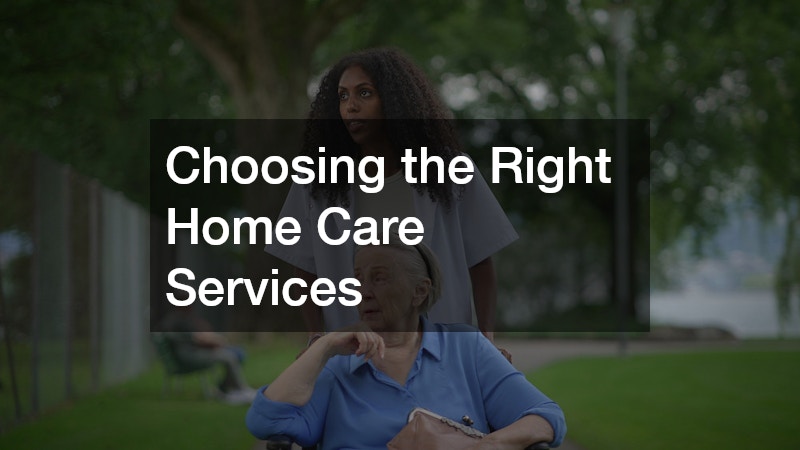
Choosing the Right Home Care Services
Home care services provide flexible assistance while allowing seniors to stay in familiar surroundings. These services can include help with meal preparation, medication management, personal hygiene, transportation, and companionship. Selecting a reputable provider involves verifying credentials, reading reviews, and meeting potential caregivers to ensure compatibility and trust.
Benefits of home care services include:
-
Tailored support based on individual health and lifestyle needs.
-
Assistance with everyday activities to reduce fatigue and injury risk.
-
Companionship programs to prevent social isolation.
-
Flexibility to adjust the level of care as needs change.
Establishing a clear routine and open communication with caregivers maximizes the effectiveness of home care. Seniors who use these services often report improved quality of life, increased safety, and greater confidence in maintaining independence.
When selecting home care services, it’s also helpful to plan for contingencies and long-term needs. Seniors and families should discuss backup care options in case a regular caregiver is unavailable and consider whether the agency can scale services if health needs change over time. Creating a detailed schedule of tasks, preferred routines, and emergency contacts ensures caregivers can provide consistent, personalized support. Additionally, technology tools like medication reminders, wearable safety devices, and home monitoring systems can complement in-person care, providing extra peace of mind. By thoughtfully combining professional support, technology, and clear communication, seniors can maintain independence while ensuring their safety, comfort, and well-being at home.
Finding Reliable Caregivers
A professional caregiver is invaluable for seniors needing extra support. Caregivers help with daily living activities, monitor health conditions, manage medications, and provide social interaction. Finding the right caregiver involves careful consideration, including:
-
Interviewing multiple candidates and checking references.
-
Assessing compatibility and communication style.
-
Ensuring appropriate training in first aid, emergency response, and senior care.
Caregivers also benefit from ongoing education and support programs to maintain high-quality care. Structured schedules, clear expectations, and open dialogue between seniors and caregivers create a safe and supportive environment. Utilizing support groups or respite care services ensures caregivers remain effective without becoming overwhelmed, helping seniors maintain independence with confidence.
It’s also important to establish clear boundaries and responsibilities from the start to prevent misunderstandings and ensure consistent care. Creating a written care plan that outlines daily routines, medication schedules, dietary preferences, and emergency procedures helps both the caregiver and the senior stay organized. Seniors and their families should also schedule regular check-ins to review the caregiver’s performance, address concerns, and make adjustments as needed. Encouraging open communication fosters trust, reduces stress, and allows seniors to feel in control of their care. By taking these steps, seniors can develop a reliable support system that enhances safety, comfort, and independence.
Planning Senior Moves With Ease
Relocating later in life can be a challenging process, but specialized services for senior moves can make it manageable. Professional moving consultants assist with downsizing, packing, transporting belongings, and setting up the new living space in a way that accommodates accessibility needs. Seniors should consider:
-
Decluttering possessions before the move.
-
Planning layout and accessibility in the new home.
-
Coordinating utilities, medical records, and address updates.
Senior move services also provide emotional support during transitions, reducing stress and helping older adults feel comfortable in their new environment. Preparing methodically ensures a smooth relocation, preserves independence, and allows seniors to adapt quickly to their new space without feeling overwhelmed.
In addition to logistics, it’s important for seniors to consider the social and emotional aspects of a move. Transitioning to a new home, whether downsizing or moving into a senior community, can feel overwhelming, so planning opportunities for familiar routines and social connections is essential. Seniors can schedule visits to local community centers, clubs, or nearby parks to build new social networks. Labeling boxes clearly, organizing essential items for easy access, and setting up a comfortable daily routine immediately after the move can also reduce stress. By combining careful planning with attention to emotional well-being, seniors can adjust more quickly, feel secure in their new environment, and maintain a sense of independence throughout the transition.

Comprehensive Vision and Specialty Health Support
In addition to primary care, routine visits to optometry offices and specialty clinics help seniors manage health comprehensively. Eye exams, orthopedic consultations, and regular screenings for chronic conditions ensure that emerging health issues are identified early. Combining these services with ongoing home care and mobility support creates a holistic approach to wellness.
Practical strategies for maximizing specialty care include:
-
Maintaining an organized schedule of appointments and follow-ups.
-
Keeping a detailed log of medications, symptoms, and test results.
-
Communicating clearly with all healthcare providers about changes in health or function.
A coordinated approach reduces emergency interventions, enhances safety, and supports sustained independence. By proactively managing their health with a combination of professional care and self-care strategies, seniors can enjoy a more comfortable, confident, and autonomous life.
Seniors can also benefit from integrating telehealth and virtual consultations into their specialty care routine. Many optometry offices, orthopedic clinics, and other specialists now offer remote check-ins for follow-ups, medication adjustments, and symptom monitoring. This approach not only saves travel time but also ensures that health concerns are addressed promptly, especially for those with limited mobility or transportation challenges. Combining in-person visits with telehealth allows seniors to stay consistent with care, receive timely guidance from multiple specialists, and maintain independence without sacrificing access to high-quality medical support.
Seniors can preserve comfort and independence through a combination of medical care, alternative therapies, home support, and proactive planning. Services such as cardiovascular care, pain management, home care assistance, and vision support work together to address physical, emotional, and practical needs.
A network of caregivers, healthcare professionals, and specialized service providers empowers seniors to maintain autonomy while ensuring safety and quality of life. By integrating these resources into daily routines, older adults can confidently navigate aging, reduce risks, and enjoy a fulfilling, independent lifestyle. With careful planning and the right support, aging can be a period of continued growth, comfort, and empowerment.