

Healthcare needs change as people grow, work, raise families, and enter older adulthood. A child may need support with healthy development and preventive care, while an adult may prioritize injury prevention, stress management, or maintaining an active lifestyle. Later in life, healthcare may increasingly focus on mobility, independence, chronic condition management, and quality of life.
Taking a proactive approach can make it easier to identify concerns before they become more difficult to manage. Regular appointments, preventive screenings, healthy daily habits, and timely access to specialists all have a place in a comprehensive approach to wellness. Understanding which services may be useful at different stages of life can also help individuals and families make informed decisions about their healthcare.
Build Healthy Habits During Childhood And Adolescence

Childhood and adolescence are important periods for establishing habits that can influence health well into adulthood. Routine physical examinations allow healthcare providers to monitor growth, development, nutrition, and other aspects of a child’s health. Vaccinations, dental examinations, vision screenings, and age-appropriate health education can also help children stay on track.
Parents can make preventive care easier by keeping a record of appointments, recommended screenings, immunizations, and any concerns they want to discuss with a healthcare provider. Children should also gradually learn to participate in conversations about their health so they become more comfortable recognizing and communicating symptoms.
Oral development deserves particular attention during these years. As permanent teeth emerge, alignment and bite problems may become more noticeable. Consulting an orthodontist when recommended can help families understand whether intervention is appropriate and, if so, when treatment should begin.
Parents can support healthy development by:
- Encouraging consistent brushing and flossing habits.
- Scheduling routine dental and medical examinations.
- Maintaining nutritious meals and snacks.
- Limiting excessive recreational screen time.
- Encouraging regular physical activity and outdoor play.
- Teaching children to describe pain, discomfort, or other unusual symptoms.
Adolescence also brings new considerations, including changing sleep patterns, academic pressure, social challenges, and increased independence. Giving teenagers opportunities to discuss health concerns privately with appropriate professionals can help them develop greater responsibility for their well-being.
Protect Vision And Support Healthy Development
Clear vision contributes to learning, coordination, reading, driving, work, and countless everyday activities. While some vision problems are obvious, others can develop gradually without causing noticeable symptoms. Regular eye examinations can therefore be useful even when a person believes their vision is normal.
Children may benefit from vision evaluations when they have difficulty reading, frequently squint, sit unusually close to screens, experience headaches, or struggle to see classroom materials. Adults should also pay attention to changes such as blurry vision, difficulty focusing, eye discomfort, or increased sensitivity to light.
Opticians can play an important role in helping patients obtain and properly use corrective eyewear when prescribed. People who wear glasses or contact lenses should also make sure their prescriptions remain current and that their eyewear is cleaned and maintained properly.
To support eye health:
- Follow recommended examination schedules.
- Take regular breaks from prolonged screen use.
- Keep digital screens at a comfortable distance.
- Use adequate lighting when reading or working.
- Wear appropriate protective eyewear during activities that create eye hazards.
- Use sunglasses that provide appropriate ultraviolet protection when outdoors.
- Report sudden or significant changes in vision promptly.
Eye care can become especially important later in life because age-related changes may affect visual acuity and everyday independence. Maintaining regular evaluations gives people an opportunity to identify changes and discuss appropriate management with a qualified professional.
Establish Healthy Sleep And Recovery Routines

Sleep is essential throughout life. Children need sufficient rest to support development and learning, while adults rely on quality sleep for concentration, mood, physical recovery, and overall functioning. Older adults may experience changes in sleep patterns, but persistent sleep difficulties should not simply be dismissed as a normal part of aging.
Good sleep begins with consistent habits. Going to bed and waking at approximately the same times each day can help establish a predictable routine. Limiting stimulating activities close to bedtime, creating a comfortable sleep environment, and avoiding excessive caffeine late in the day may also support better rest.
People should pay attention to recurring problems such as:
- Difficulty falling asleep or staying asleep.
- Persistent daytime fatigue.
- Loud or frequent snoring.
- Waking repeatedly during the night.
- Morning headaches.
- Difficulty concentrating during the day.
- Regularly feeling unrefreshed after sleeping.
When sleep problems persist, a healthcare provider may recommend further evaluation. Sleep centers can provide specialized assessments for certain sleep disorders and help determine whether additional testing or treatment may be appropriate.
Maintain Physical Strength And Mobility Through Adulthood
Maintaining strength and mobility can make everyday activities easier and help people remain active as they age. Adults can support their musculoskeletal health through a combination of resistance training, cardiovascular activity, flexibility exercises, proper body mechanics, and adequate recovery.
People who work physically demanding jobs should pay particular attention to lifting techniques and repetitive movements. Those who spend much of the day sitting can benefit from regular movement breaks and exercises that counter prolonged inactivity.
Not every ache requires specialized care, but persistent or worsening pain should not be ignored. Difficulty walking, recurring joint pain, reduced range of motion, or injuries that do not improve as expected may warrant professional evaluation. An orthopedic specialist can help assess certain problems affecting bones, joints, muscles, ligaments, and related structures.
People can protect mobility by:
- Warming up before strenuous exercise.
- Increase workout intensity gradually.
- Using proper technique during strength training.
- Wearing appropriate footwear for physical activities.
- Taking recovery days when needed.
- Addressing injuries instead of repeatedly exercising through pain.
- Incorporating balance and flexibility exercises into regular routines.
Maintaining physical function becomes increasingly valuable with age. Strong muscles, healthy bones, and good balance can support independence and make it easier to participate in work, recreation, household activities, and social events.
Make Mental Well-being Part Of Routine Healthcare
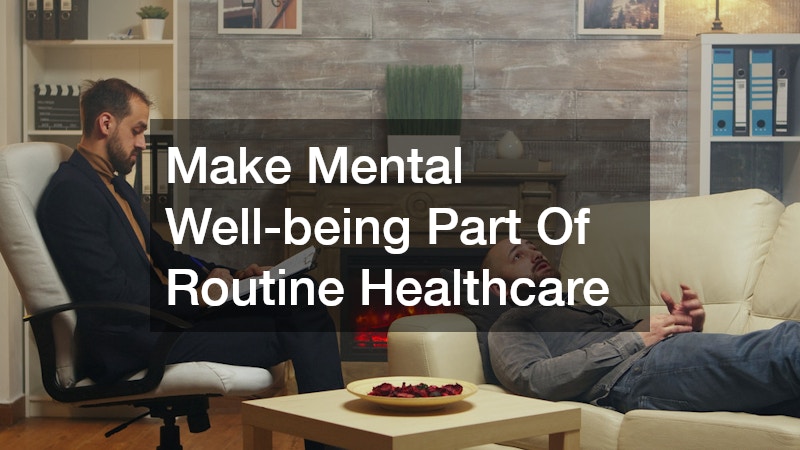
Mental well-being is an important component of overall health at every age. Stress, major life changes, relationship difficulties, workplace pressures, grief, and other challenges can affect emotional health. While occasional stress is a normal part of life, persistent symptoms may interfere with sleep, relationships, work, school, and daily responsibilities.
People should consider seeking support when emotional difficulties become difficult to manage independently. Mental health treatment services can provide access to professional resources designed to address specific concerns and individual circumstances.
Helpful everyday strategies may include:
- Maintaining regular sleep and exercise routines.
- Staying connected with supportive friends or family.
- Setting reasonable boundaries around work and personal responsibilities.
- Making time for enjoyable activities.
- Practicing relaxation or mindfulness techniques.
- Reducing excessive alcohol or other unhealthy coping behaviors.
- Talking with a qualified professional when concerns persist.
Mental healthcare is not limited to periods of crisis. Someone may seek professional support to better manage stress, navigate a major transition, improve relationships, or develop healthier coping strategies.
Strengthen Oral Health Beyond Basic Dental Care
Oral health can affect eating, speaking, comfort, confidence, and overall quality of life. Regular examinations and professional cleanings can help identify problems before they become more complicated. Daily brushing and flossing also remain fundamental components of maintaining oral health.
Adults should not assume that dental care is only necessary when something hurts. Cavities, gum disease, enamel damage, and other problems can develop before significant discomfort occurs. Preventive appointments provide an opportunity to discuss concerns and receive personalized recommendations.
Some people also have cosmetic concerns involving tooth color, shape, spacing, or other aspects of their smile. A cosmetic dentist can discuss available options and help determine whether a particular treatment is appropriate.
Between dental appointments, patients can support their oral health by:
- Brushing twice daily with fluoride toothpaste.
- Cleaning between teeth regularly.
- Limiting frequent consumption of sugary foods and drinks.
- Replace worn toothbrushes or brush heads.
- Avoiding tobacco products.
- Wearing recommended protective equipment during contact sports.
- Reporting persistent sensitivity, bleeding, pain, or swelling.
Oral healthcare needs can change with age, medications, diet, and other circumstances. Maintaining communication with dental professionals can help people adapt their routines as their needs evolve.
Create A Sustainable Fitness And Nutrition Routine

Physical activity is valuable at every stage of adulthood, but a sustainable routine does not have to involve daily intense workouts. The most effective routine is often one that a person can maintain consistently while accommodating work, family responsibilities, physical abilities, and personal preferences.
Beginners can start with manageable activities and gradually increase duration or intensity. Walking, cycling, swimming, strength training, stretching, recreational sports, and other forms of movement can contribute to a more active lifestyle.
A fitness coach can help individuals develop structured routines that align with their goals and current abilities. Professional guidance may be especially useful for people who are new to exercise, returning after a long break, or unsure how to perform certain movements safely.
Practical ways to stay active include:
- Scheduling an exercise like any other important appointment.
- Choosing activities that are enjoyable rather than focusing only on calorie expenditure.
- Setting specific, realistic goals.
- Combining cardiovascular activity with strength and mobility work.
- Tracking progress without becoming overly focused on numbers.
- Adjusting routines when pain, illness, or major schedule changes occur.
Nutrition is another important component. Instead of relying on restrictive short-term diets, people can focus on balanced meals that include vegetables, fruits, whole grains, protein sources, and healthy fats. Staying adequately hydrated and practicing moderation can also support long-term wellness.
Address Skin Health And Appearance At Different Ages
Skin changes throughout life. Sun exposure, aging, hormones, genetics, lifestyle, and environmental conditions can all influence its appearance and condition. Basic skin protection should therefore begin early and continue throughout adulthood.
One of the most practical habits is protecting skin from excessive ultraviolet exposure. Using appropriate sunscreen, wearing protective clothing, and seeking shade during intense sun exposure can help reduce cumulative damage.
A basic skincare routine may include:
- Gentle cleansing.
- Regular moisturizing.
- Appropriate sun protection.
- Avoid unnecessary picking or irritation.
- Paying attention to new or changing skin concerns.
- Following professional recommendations for persistent problems.
Some adults may also want to address cosmetic concerns such as uneven skin texture, pigmentation, or signs associated with aging. Laser skin therapy is one example of a professional treatment that may be considered for certain cosmetic goals. Because treatments differ in their applications and suitability, people should discuss their expectations, potential benefits, limitations, and risks with a qualified provider.
Plan Ahead For Healthy Aging And Greater Independence
As people enter older adulthood, healthcare often becomes increasingly focused on maintaining independence and managing changing physical needs. Chronic conditions, mobility limitations, medication management, fall risks, and changes in daily functioning may require additional planning.
Families can begin these conversations before a major change occurs. Discussing preferences, transportation, household support, medical appointments, and emergency plans can make future decisions less stressful.
For some older adults, an assisted living community may provide a balance between independence and access to support with daily activities. When considering this type of setting, families should evaluate factors such as:
- Available assistance with daily activities.
- Accessibility and fall-prevention features.
- Medication support.
- Transportation options.
- Social activities and community programs.
- Dining and nutrition services.
- Staff availability and qualifications.
- Location and proximity to family or healthcare providers.
The right choice depends on an individual’s needs and preferences. Older adults should be included in these conversations whenever possible, allowing them to express what matters most to their comfort, independence, and quality of life.
Know When Professional Emotional Support Is Needed
Emotional well-being can change throughout adulthood. Retirement, bereavement, caregiving responsibilities, relationship changes, relocation, declining independence, and other transitions can create new emotional challenges.
Although friends and family can provide valuable support, professional assistance may be appropriate when emotional difficulties persist or begin affecting daily life. Therapists can help individuals explore concerns, develop coping strategies, improve communication, and work through difficult experiences.
Signs that someone may benefit from professional support can include:
- Persistent sadness or anxiety.
- Significant changes in sleep or appetite.
- Difficulty maintaining relationships.
- Loss of interest in usual activities.
- Trouble managing everyday responsibilities.
- Ongoing feelings of hopelessness or overwhelm.
- Difficulty adjusting to a major life transition.
Seeking support does not mean someone has failed to manage a problem independently. Professional guidance can provide another resource for understanding challenges and developing practical ways to address them.
Create A Personalized Healthcare Schedule
Healthcare is most effective when it is organized around an individual’s needs rather than a one-size-fits-all schedule. Age, family history, lifestyle, existing conditions, medications, occupational demands, and personal risk factors can all influence which services and screenings are appropriate.
A yearly healthcare review can help people identify gaps in preventive care and determine which appointments to schedule. Keeping information organized can also make conversations with providers more productive.
Consider maintaining a personal health record containing:
- Current medications and supplements.
- Allergies and previous adverse reactions.
- Family health history.
- Recent test and screening results.
- Names and contact information for healthcare providers.
- Upcoming appointments.
- Questions or symptoms to discuss during visits.
People should also avoid assuming that a service is necessary simply because it is commonly recommended for a particular age group. Healthcare decisions should be individualized and discussed with qualified professionals who understand the person’s circumstances.
The most useful approach is to pay attention to changing needs, address concerns early, and work with qualified healthcare professionals to determine which services are appropriate. By making healthcare a consistent part of everyday life, individuals and families can be better prepared to protect their health, maintain independence, and support a higher quality of life over time.