

Most people believe that getting healthier requires a gym membership, a rigid schedule, and hours of free time they simply do not have. But real, lasting fitness comes from weaving movement into the fabric of everyday life rather than treating it as a separate chore. Whether you are managing a chronic ache, recovering from an injury, or just trying to stay active as you age, the goal is the same: build habits that fit your body and your home, not someone else’s routine. This article walks through practical ways to move more, manage pain, and support your health without depending on a single facility or program.
Rethinking What Daily Movement Actually Looks Like
Movement does not have to mean a structured workout session to count toward your health. Simple choices like taking the stairs, gardening, walking to run errands, or doing housework at a brisk pace all add up over the course of a week. The key is consistency rather than intensity, since small amounts of regular activity tend to be more sustainable than occasional intense efforts.
Many homeowners already have opportunities for movement built into their properties that they overlook. Mowing the lawn, sweeping the driveway, or carrying groceries up a flight of stairs are all forms of functional fitness that build strength and endurance over time.
- Set a timer to stand up and move every 45 to 60 minutes during the day
- Turn household chores into intentional movement by doing them at a faster pace
- Park farther away or walk part of the way to nearby destinations
- Use a pedometer or phone app to track daily steps and notice patterns
Addressing Chronic Discomfort Before It Limits You

One of the biggest barriers to staying active is pain, and for many adults that pain shows up in the neck and shoulders from long hours at a desk or looking down at a phone. Ignoring persistent neck pain often leads to reduced mobility and a reluctance to exercise at all, which creates a frustrating cycle. Simple posture corrections, stretching breaks, and ergonomic adjustments to your workstation can make a noticeable difference within a few weeks.
If discomfort persists despite these changes, it is worth getting a professional evaluation rather than pushing through it. Early attention to nagging pain tends to prevent bigger mobility problems down the road, so do not wait until movement becomes difficult before seeking help.
- Adjust your monitor height so your eyes align with the top third of the screen
- Take short stretching breaks every hour to release tension in the neck and upper back
- Sleep with a supportive pillow that keeps your spine in neutral alignment
- Avoid cradling your phone between your ear and shoulder during calls
Getting Fast Answers Without Waiting for a Specialist
Not every ache or pain requires a scheduled appointment weeks out, and sometimes you just need guidance quickly so you can keep moving safely. A walk in clinic can be a practical resource when a minor strain, sprain, or unexplained pain flares up unexpectedly and you want reassurance before continuing your activity routine. These clinics are especially useful for homeowners who are active around the house or yard and need quick evaluation of a twisted ankle or pulled muscle.
Using this kind of same-day care appropriately means understanding what it is best suited for. It works well for acute, non-emergency issues, but ongoing or recurring pain usually calls for a longer-term care plan rather than repeated one-off visits.
- Bring a list of your current medications and any recent injuries to speed up the visit
- Ask whether follow-up care or referral to a specialist is recommended
- Use these visits for minor injuries, not chronic or worsening conditions
- Confirm whether your insurance requires a referral for further treatment
Restoring Function Through Guided Rehabilitation
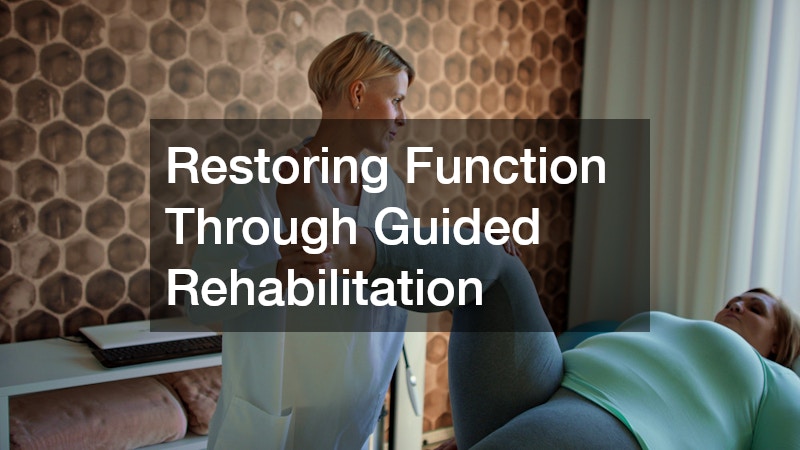
When pain or injury limits your ability to move freely, professional rehabilitation can rebuild strength and confidence in a way that generic exercise cannot. Physical therapy uses targeted exercises and hands-on techniques to address the specific muscles, joints, or movement patterns that are causing trouble. This approach is particularly valuable for homeowners recovering from surgery, joint replacement, or a fall, since it focuses on functional movements like climbing stairs or getting up from a chair.
A good rehabilitation plan is not a one-size-fits-all program but a personalized roadmap based on your specific limitations and goals. Many people find that a few months of guided sessions gives them the tools to continue safely on their own, which supports long-term independence at home.
- Ask your provider for a home exercise plan you can do between sessions
- Track pain levels and range of motion to measure progress objectively
- Communicate openly about which movements feel difficult or unsafe
- Continue prescribed exercises even after formal sessions end to maintain gains
Supporting Spinal Health and Everyday Posture
Poor posture from sitting, driving, or repetitive tasks can gradually affect spinal alignment and contribute to stiffness throughout the body. A chiropractor can assess how your spine and joints are functioning and offer adjustments that relieve pressure and improve mobility. Many homeowners find that periodic visits complement their movement routine by addressing misalignments that limit how freely they can bend, twist, or lift.
Spinal health is closely tied to overall activity levels, since discomfort in the back or hips often discourages people from staying active. Combining chiropractic care with strengthening exercises tends to produce better long-term results than either approach alone.
- Ask about the specific techniques used before your first visit
- Pair adjustments with core strengthening exercises for lasting support
- Notice whether certain daily habits, like your mattress or chair, contribute to discomfort
- Keep a simple log of pain patterns to share at follow-up visits
Making Your Home Accessible for Long Term Mobility

Sustainable movement is not just about exercise, it is also about making sure your living space supports mobility as needs change over time. For homeowners with multiple stories or family members with mobility challenges, wheelchair lifts can make the difference between staying in a beloved home and being forced to relocate. Planning for accessibility early, rather than waiting for a crisis, allows for a smoother and less stressful transition.
Accessibility upgrades often benefit everyone in the household, not just those with mobility limitations. Wider doorways, ramps, and lift systems reduce strain on caregivers and make daily movement safer for aging parents, injured family members, or anyone recovering from surgery.
- Have a professional assess your home’s layout before choosing a mobility solution
- Consider future needs, not just current ones, when planning accessibility upgrades
- Check local permit requirements before installing structural modifications
- Look into financial assistance programs that may offset installation costs
Managing Weight as Part of a Bigger Health Picture
Weight management is often framed as a purely aesthetic goal, but it plays a significant role in joint health, energy levels, blood sugar regulation, and long-term mobility. Carrying excess weight puts added stress on knees, hips, and the lower back, which can make everyday movement more painful and, over time, discourage the very activity that would help. Even modest changes—losing 5 to 10 percent of body weight—have been shown to meaningfully reduce joint strain and improve energy throughout the day. Many weight loss centers now offer comprehensive programs that combine nutrition counseling, activity planning, and medical supervision rather than just quick-fix diets. These programs often include regular check-ins, lab work to track metabolic markers, and personalized meal plans that account for medical history, medications, and lifestyle constraints rather than generic calorie targets. This kind of structured support can be especially helpful for people who have struggled to make lasting changes on their own. Having a coach or clinician to answer questions, adjust plans when progress stalls, and provide accountability often makes the difference between a short-lived attempt and a sustainable shift in habits. For many, that professional guidance becomes the bridge between good intentions and lasting results.
The most sustainable weight management plans treat movement as a lifestyle shift rather than a temporary punishment for eating habits. Crash-diet mentalities that pair extreme calorie restriction with punishing workouts tend to backfire, leading to burnout, injury, or regained weight once motivation fades. Pairing professional guidance with realistic, home-based activity goals tends to produce results that last well beyond the initial program. A physician or registered dietitian can help identify whether weight is tied to underlying factors like thyroid function, sleep quality, or stress hormones, rather than assuming exercise alone will fix everything. From there, modest, repeatable goals matter more than dramatic ones. A 20-minute daily walk, two short strength sessions a week, or simply taking the stairs consistently can outperform an ambitious gym routine that gets abandoned after a month. Tracking progress beyond the scale also helps reinforce the habit. Improved energy, better sleep, looser-fitting clothes, or an easier time climbing stairs are all signs of real progress that a number alone won’t capture.
- Look for programs that include follow-up support after initial weight loss goals are met, such as maintenance check-ins at 3, 6, and 12 months
- Ask about how the program addresses muscle maintenance, not just pounds lost — resistance training and adequate protein intake should be built in, not an afterthought
- Choose a plan that accounts for any existing joint or mobility limitations, offering low-impact alternatives like swimming or cycling instead of forcing high-impact routines
- Set non-scale goals like improved stamina, easier daily movement, better sleep quality, or being able to climb stairs without getting winded
- Track progress with measurements beyond the scale, such as waist circumference, energy levels, or how clothes fit
- Prioritize programs that involve a registered dietitian or physical therapist for personalized guidance, especially if you have chronic conditions like diabetes or arthritis
Caring for Senses That Support Safe Movement

Staying active safely depends on more than strong muscles and joints, it also relies on senses like hearing that help you stay aware of your surroundings. Reduced hearing can affect balance and increase fall risk, which makes timely hearing aid repair an important part of an overall safety plan for older adults. A malfunctioning device that goes unaddressed for too long can quietly undermine confidence during walks, outdoor chores, or even conversations that affect mental well-being.
Routine maintenance of hearing devices should be treated with the same seriousness as other health checkups. Simple issues like weak batteries or clogged microphones are often mistaken for bigger hearing loss, so a quick repair can restore both function and confidence to stay active. While you’re addressing overlooked wellness upkeep, it’s worth noting that many people also turn to treatments like a moxi laser to manage skin concerns that can affect confidence and comfort during outdoor activity, since staying active often means feeling good in more ways than one.
- Schedule regular maintenance checks rather than waiting for a device to fail completely
- Keep a spare battery supply on hand to avoid sudden downtime
- Clean devices regularly according to manufacturer instructions
- Report any sudden changes in sound quality to your provider promptly
Deciding Between Group Facilities and Home Based Routines
For years, the fitness club was the default answer to getting in shape, offering equipment, classes, and a sense of community that can be motivating for many people. That said, a fitness club membership is not the only path to consistent movement, and it is not always the most sustainable one for everyone’s schedule or budget. Some people thrive on the structure and social accountability a facility provides, while others find they stick with movement better when it is built directly into their home and daily routine.
The right choice often depends on honest self-assessment about what has worked, or failed, in the past. Combining occasional facility-based workouts with home-based movement habits can offer the best of both worlds without over-relying on any single approach.
- Consider your realistic weekly schedule before committing to a membership
- Try a trial period or day pass before signing a long-term contract
- Evaluate whether you prefer structured classes or independent workouts
- Factor in travel time, since a location too far away often reduces consistency
Exploring Careers That Keep You Connected to Health and Movement
For some readers, an interest in fitness and wellness naturally grows into curiosity about working in the field, whether as a career change or a way to deepen personal knowledge. Medical certificate programs in areas like personal training, massage therapy, or rehabilitation aide work offer a faster path into the health field than a full degree program. These programs can be a practical option for people who want hands-on skills without years of additional schooling.
Even for those not pursuing a career change, understanding the basics taught in these programs can improve how you approach your own movement and recovery routines. Learning proper body mechanics, injury prevention, and basic anatomy gives homeowners a better foundation for making informed decisions about their own care.
- Research program accreditation before enrolling to ensure credentials are recognized
- Ask about job placement support if you are considering a career shift
- Compare program length and cost against potential earning opportunities
- Look for programs that include hands-on practicum hours, not just classroom study
Building sustainable movement into your life is less about finding the perfect program and more about stacking small, realistic habits that fit your body, your home, and your schedule. From addressing nagging pain early to making your living space more accessible, every choice you make either supports or undermines your long-term mobility. Start with one or two changes that feel manageable right now, whether that means adjusting your workstation, scheduling a checkup, or simply taking a daily walk around the block. Over time, these small decisions compound into a level of health and independence that no single gym membership could provide on its own.