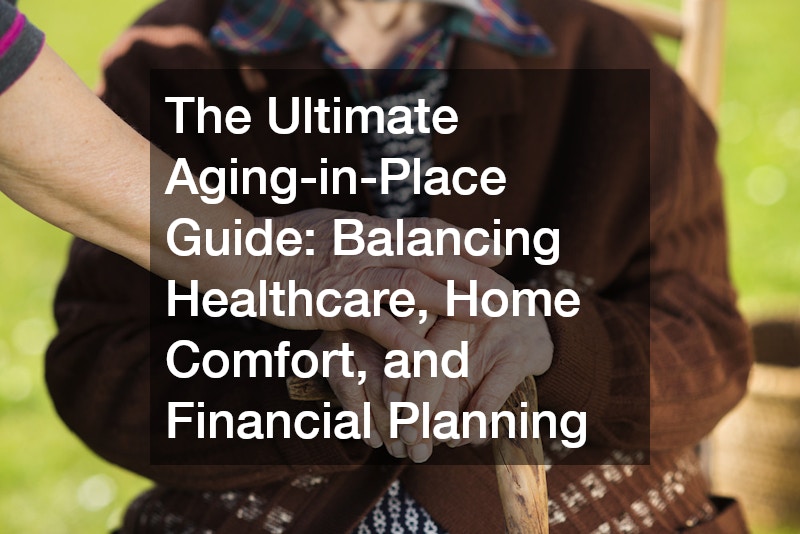

The desire to remain in one’s own home during the golden years is more than just a passing preference. It represents a deeply rooted human need for independence, familiarity, and comfort. For decades, the conventional trajectory for older adults involved an eventual transition to institutional care facilities. However, modern advancements in medicine, technology, and local support networks have fundamentally transformed this journey. Today, aging in place has become a viable, sustainable choice for millions of individuals who wish to maintain control over their environments and daily routines. This approach fosters emotional resilience and keeps seniors connected to decades of cherished community ties. Achieving this goal requires a careful orchestration of several moving parts, ranging from physical modifications of the residential space to proactive healthcare planning and long-term financial management. When these elements are successfully balanced, the home becomes a sanctuary that supports longevity rather than presenting a series of obstacles. Families often find that discussing these preparations early alleviates future stress and prevents crisis-driven decision-making. By taking a comprehensive view of what it takes to live safely at home, individuals can enjoy their routines without sacrificing peace of mind or physical well-being. A critical component of this strategy involves bringing professional medical and personal assistance directly to the doorstep. For many families, securing reliable home care services marks the turning point that makes independent living truly sustainable over the long term. This professional support bridges the gap between total independence and the natural physical adjustments that come with advancing age, allowing individuals to navigate their daily routines with dignity and minimal disruption.
Optimizing the Domestic Environment for Safety
Before addressing medical requirements, it is essential to examine the physical structure of the living environment. The typical residential layout is often designed for young, fully mobile individuals, featuring structural hazards that become apparent only as agility naturally decreases over time. Simple steps, high thresholds, inadequate lighting, and slippery surfaces can transform a beloved house into a hazardous environment. Addressing these vulnerabilities does not mean stripping a home of its personal character or warmth. Instead, it involves making intelligent, subtle retrofits that enhance safety while preserving comfort and style. Common modifications include installing sturdy handrails along hallways, converting traditional bathtubs into walk-in showers, and ensuring that all primary living spaces are accessible on a single level. Replacing standard doorknobs with easy-to-use lever handles also reduces daily strain on arthritic hands. Lighting plays an equally vital role in preventing mishaps. Replacing dim fixtures with bright, motion-activated lights along pathways can dramatically reduce the likelihood of nighttime stumbles. Additionally, clearing clutter from main walkways and securing loose area rugs are quick, cost-effective measures that immediately lower risks. When a home is systematically audited and adapted, it allows older adults to navigate their surroundings with confidence, significantly reducing the anxiety associated with accidental falls. This physical optimization provides a stable foundation upon which all other healthcare and wellness strategies can be successfully built, ensuring the home remains safe.
Maintaining Mobility and Functional Strength
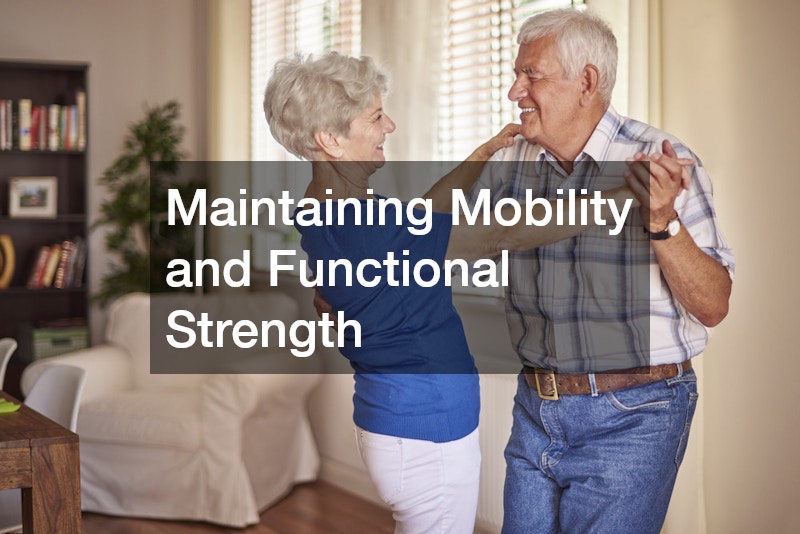
Physical independence relies heavily on structural mobility and lower-body stability. As the body ages, natural changes in gait, balance, and bone density require specialized attention to prevent injuries before they occur. A major aspect of this maintenance involves comprehensive foot health, which is frequently overlooked until pain compromises movement. Regular evaluations by a qualified foot doctor can identify subtle structural shifts, poor circulation, or nerve changes early on. These specialists help select proper orthotics and footwear, ensuring that every step taken is stable and pain-free. Beyond specialized podiatric care, preserving overall musculoskeletal function demands a proactive exercise and rehabilitation routine. Engaging a licensed physical therapist allows seniors to build targeted strength, enhance joint flexibility, and practice balance exercises tailored to their specific physical capabilities. These professional sessions do more than just rehabilitate existing injuries; they serve as a protective shield against future physical decline. By focusing on core stability, seniors can safely perform everyday activities without the constant fear of losing their balance. When an individual maintains their strength and coordination, they retain the ability to perform daily tasks like climbing stairs, rising from chairs, and walking confidently through their neighborhood. This proactive focus on physical capability ensures that the desire to live independently matches the body’s actual capacity to do so safely and comfortably over time.
Addressing Chronic Discomfort and Musculoskeletal Issues
Living comfortably at home becomes exceptionally difficult when chronic physical discomfort becomes a constant daily companion. Years of physical activity, coupled with natural degenerative changes in the spine and joints, frequently manifest as persistent soreness that limits activity. Finding effective, non-invasive back pain treatments is often a top priority for individuals who want to avoid heavy pharmaceuticals or risky surgical interventions. Modern pain management plans typically emphasize gentle, restorative therapies that focus on spinal alignment, core muscle support, and natural inflammation reduction. Combining these methods creates a comprehensive shield that effectively protects aging joints from progressive wear and tear. Alongside clinical medical interventions, manual soft tissue therapies offer substantial relief from the daily wear and tear on the musculoskeletal system. Integrating structured massage therapy sessions into a regular wellness routine helps soothe tight muscles, improve localized blood flow, and lower systemic stress levels. This hands-on care is particularly beneficial for alleviating the secondary muscle tension that develops when individuals alter their natural walking posture to compensate for joint pain. By systematically addressing these structural issues, older adults can maintain a much higher level of physical comfort, allowing them to remain active participants in their hobbies and social lives rather than being sidelined by constant discomfort. Regular structural maintenance prevents minor aches from turning into debilitating issues.
Advanced Soft Tissue Care and Neurological Wellness
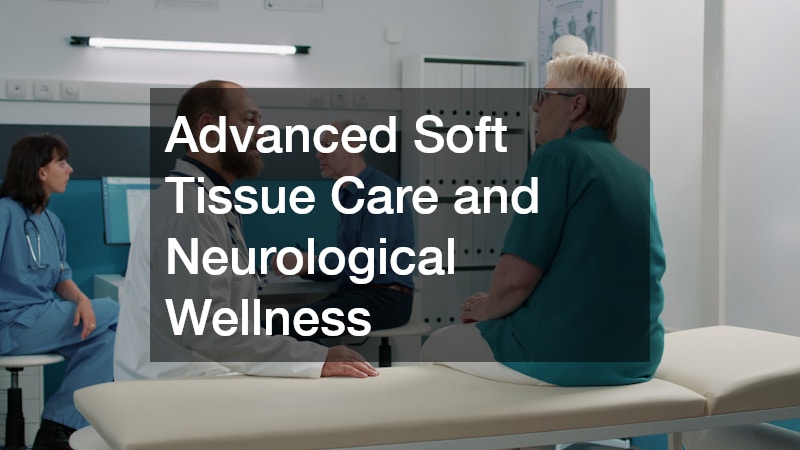
While standard relaxation techniques provide general comfort, certain chronic conditions require deeper, more targeted interventions to achieve meaningful results. Severe muscular stiffness and localized scar tissue often demand a more intensive approach to break up adhesions and restore the full range of motion. Utilizing a specialized deep tissue massage technique allows practitioners to reach the deeper layers of muscle and connective tissue that standard methods cannot effectively influence. This targeted pressure helps release long-standing tension patterns, significantly improving flexibility and reducing chronic soreness in problem areas like the shoulders, lower back, and neck. Physical discomfort is not always limited to muscles and joints; neurological issues can also severely disrupt an individual’s quality of life. Chronic headaches and severe neurological episodes require a comprehensive management plan that addresses both triggers and active symptoms. Searching for the best migraine relief methods often leads families to explore a combination of lifestyle adjustments, environmental modifications, and specialized medical protocols. Minimizing sensory triggers within the home, such as installing dimmable lighting and creating quiet zones, works in tandem with clinical therapies to keep debilitating headaches at bay. Dedicated relaxation spaces allow the nervous system to rest deeply and reset after periods of high stress. When soft tissue tightness and neurological symptoms are managed effectively, the home environment remains a peaceful space conducive to rest and long-term health.
Optimizing Cellular Hydration and Nutrient Absorption
Nutritional health and adequate hydration undergo significant changes as individuals grow older. The natural sensation of thirst often diminishes with age, making seniors more vulnerable to chronic dehydration, which can cause fatigue, confusion, and weakened immune function. Furthermore, the digestive system can become less efficient at absorbing vital vitamins and minerals from food alone. To counteract these biological shifts, many modern wellness plans now incorporate advanced hydration delivery methods. Utilizing professional IV therapy services allows for the direct administration of essential fluids, electrolytes, and vitamins into the bloodstream, bypassing the digestive tract entirely for immediate cellular absorption. This approach is highly effective for rapidly restoring optimal hydration levels, boosting low energy, and supporting immune health during seasonal shifts. Maintaining peak cellular nutrition ensures that the body retains its natural resilience and ability to heal from minor strains or illnesses. A well-nourished body responds much better to traditional therapies, speeding up recovery timelines significantly. When older adults are properly hydrated and enriched, they experience greater mental clarity, improved physical stamina, and a more robust baseline of health. Integrating these advanced wellness solutions into a home-based routine provides an extra layer of physiological support, helping individuals maintain their vitality and enjoy an active lifestyle within their own homes.
Building a Local Support and Social Network

While physical health and home modifications form the backbone of aging in place, emotional and social well-being are equally vital to long-term success. Social isolation can have profound effects on physical health, sometimes accelerating cognitive decline or contributing to elevated stress levels. Therefore, a comprehensive plan must include strategies for maintaining active social connections and community engagement. This can involve organizing regular visits from family members, participating in local community center activities, or utilizing senior transportation services to attend social gatherings. Technology also plays an important role, enabling older adults to stay in touch with distant relatives through video calls and digital messaging platforms. User-friendly tablets designed specifically for seniors make it easier than ever to bridge the geographic distance between generations. Cultivating relationships with neighbors is another simple yet effective way to build a local safety net; knowing that someone nearby checks in regularly provides immense peace of mind. Additionally, involving volunteer organizations or companionship services can ensure that daily life remains vibrant and connected. By prioritizing social infrastructure alongside medical care, families can ensure that the home remains a place of joy, engagement, and emotional fulfillment throughout the retirement years.
Navigating Government Healthcare Programs and Timelines
A successful plan for independent living must look beyond physical health to address the complex administrative frameworks that fund long-term care. Securing the appropriate medical coverage is essential for protecting personal savings and ensuring continuous access to top-tier healthcare providers. Understanding the intricacies of Medicare enrollment is a critical milestone that requires careful timing, thorough research, and strict adherence to official deadlines. Missing these specific registration windows can result in lifetime financial penalties and temporary gaps in essential coverage that disrupt ongoing treatments. Seniors and their families must carefully evaluate the differences between original federal programs, Advantage choices, and supplemental plans to choose the exact options that align with their long-term wellness needs and prescription requirements. Proper coverage ensures that home visits, specialist consultations, and preventative therapies remain financially accessible without causing undue anxiety. Navigating these bureaucratic processes early allows individuals to establish a highly stable healthcare foundation well before any urgent medical situations arise. By treating health insurance as a foundational pillar of the overall retirement plan, families can protect their hard-earned financial assets while confidently securing top-quality medical support for the years ahead.
Protecting Real Estate Assets and Managing Insurance Issues

The physical house is usually an individual’s most valuable financial asset, making its preservation a top priority in any comprehensive retirement plan. Maintaining the structural integrity of the property ensures a safe living environment and protects the homeowner’s equity. However, unexpected events like severe weather, plumbing failures, or structural accidents can cause major damage that threatens both safety and financial security. When navigating the complex aftermath of property damage, dealing with insurance companies can feel overwhelming for older adults. Engaging a professional insurance claims appraiser can make a profound difference in the outcome of a property claim. These independent experts meticulously evaluate structural damage, estimate repair costs accurately, and negotiate with insurance providers to ensure homeowners receive a fair settlement. Securing an equitable payout allows for prompt, high-quality home repairs, preventing minor damage from escalating into major structural hazards that compromise safety. Protecting the physical structure of the home ensures that the living space remains safe, secure, and valuable for decades to come. By managing property risks proactively, seniors safeguard their independence and maintain full control over their living conditions.
Synthesizing Comfort, Health, and Wealth
Ultimately, a successful journey of aging in place requires an ongoing commitment to balancing physical health, domestic safety, and financial foresight. No single element can support this lifestyle alone; rather, it is the integration of these diverse strategies that creates a resilient foundation for the future. By proactively modifying the living space, engaging specialized medical professionals, and navigating insurance and government benefits with diligence, older adults can maintain their independence with confidence. This holistic preparation transforms the home from a place of potential vulnerability into a powerful sanctuary of longevity and peace. With the right systems in place, seniors can focus on enjoying their daily lives, surrounded by the comfort and memories that only their own home can provide.